
The United Arab Emirates’ decision to leave OPEC and OPEC+ on May 1, 2026 gives oil markets a new problem: producer discipline is weakening just as geopolitical risk is rising.
The move marks one of the most important shifts inside the Gulf energy system in years. The UAE joined OPEC through Abu Dhabi in 1967 and remained in the group after the federation formed in 1971. Its departure now ends almost six decades inside the producer bloc.
This is not only an institutional exit. It gives Abu Dhabi more space to shape oil policy around its own production capacity, investment cycle and long-term economic strategy.
The timing makes the decision more important. Oil markets already face pressure from the Iran war, Gulf shipping risk and renewed concern that energy costs could keep inflation higher for longer. Reuters described the exit as a major blow to OPEC and OPEC+, while Argus reported that the UAE will now pursue a more independent output policy.
Abu Dhabi wants more control over output
The UAE has spent years expanding its energy capacity. Leaving OPEC gives it more freedom to manage production outside collective quota rules.
That matters because OPEC+ depends on coordination. Its power does not come only from the amount of oil its members produce. It comes from the market’s belief that those members will act together when prices move too far in either direction.
The UAE said any additional supply would enter the market gradually and in line with demand conditions. That lowers the risk of an immediate supply shock. But the broader message is clear. Abu Dhabi wants more control over its own oil policy.
For oil importers, more UAE flexibility could eventually ease some supply pressure. For OPEC+, it creates a credibility problem.
The group had already been trying to manage output carefully. Earlier this month, OPEC said eight participating countries would implement a May 2026 production adjustment of 206,000 barrels per day, with future changes tied to market conditions.
That type of coordination becomes harder when a major Gulf producer steps outside the system.
Oil markets lose clarity when they need it most
More independent UAE output could limit upward pressure on prices over time. But weaker OPEC+ discipline could also increase volatility if traders believe the producer alliance has less control over supply.
Oil does not stay inside energy markets. It moves into transport costs, food prices, manufacturing margins and inflation expectations. A less predictable producer system can make central bank decisions harder, especially in Europe and Asia, where energy import costs feed quickly into consumer prices.
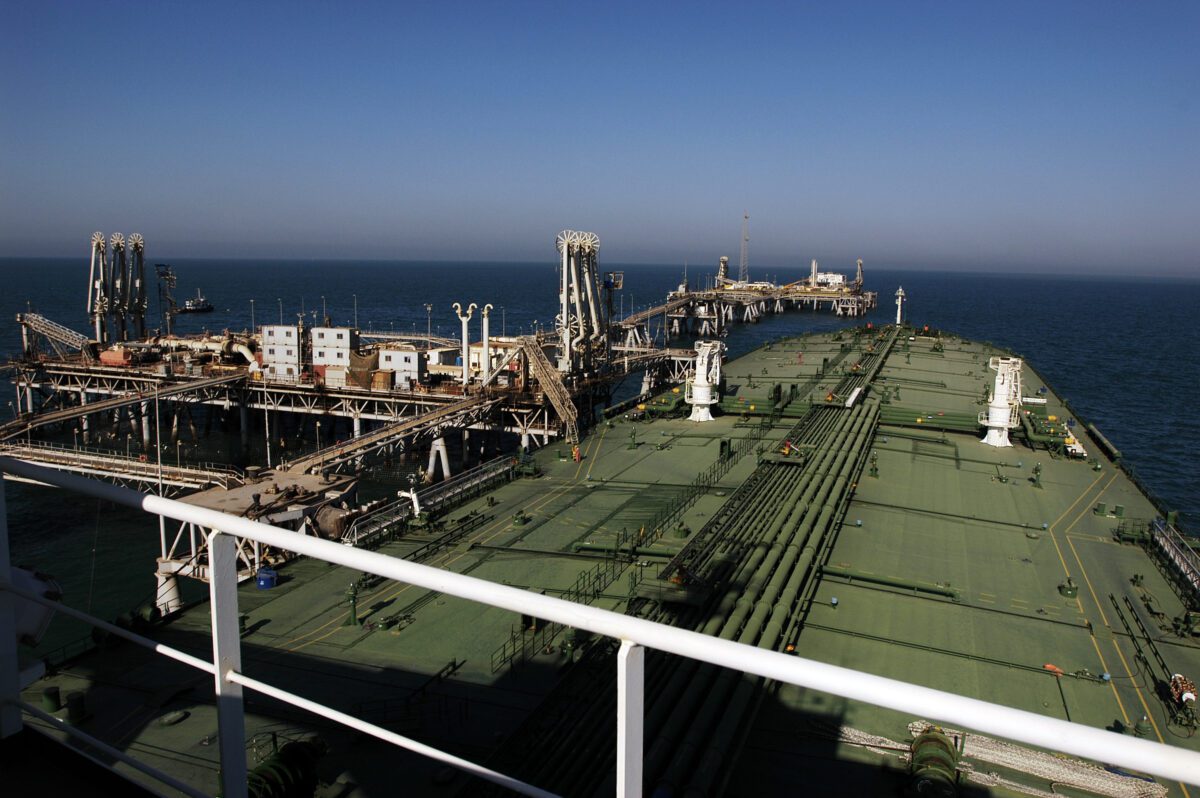
The Strait of Hormuz also remains central to the story. The Gulf is one of the world’s most important energy corridors. Any sign of weaker producer coordination, combined with war risk around export routes, can make pricing more unstable.
The immediate question is whether the UAE increases supply faster than markets expect. The larger question is whether other producers now demand more freedom inside, or outside, the OPEC+ framework.