
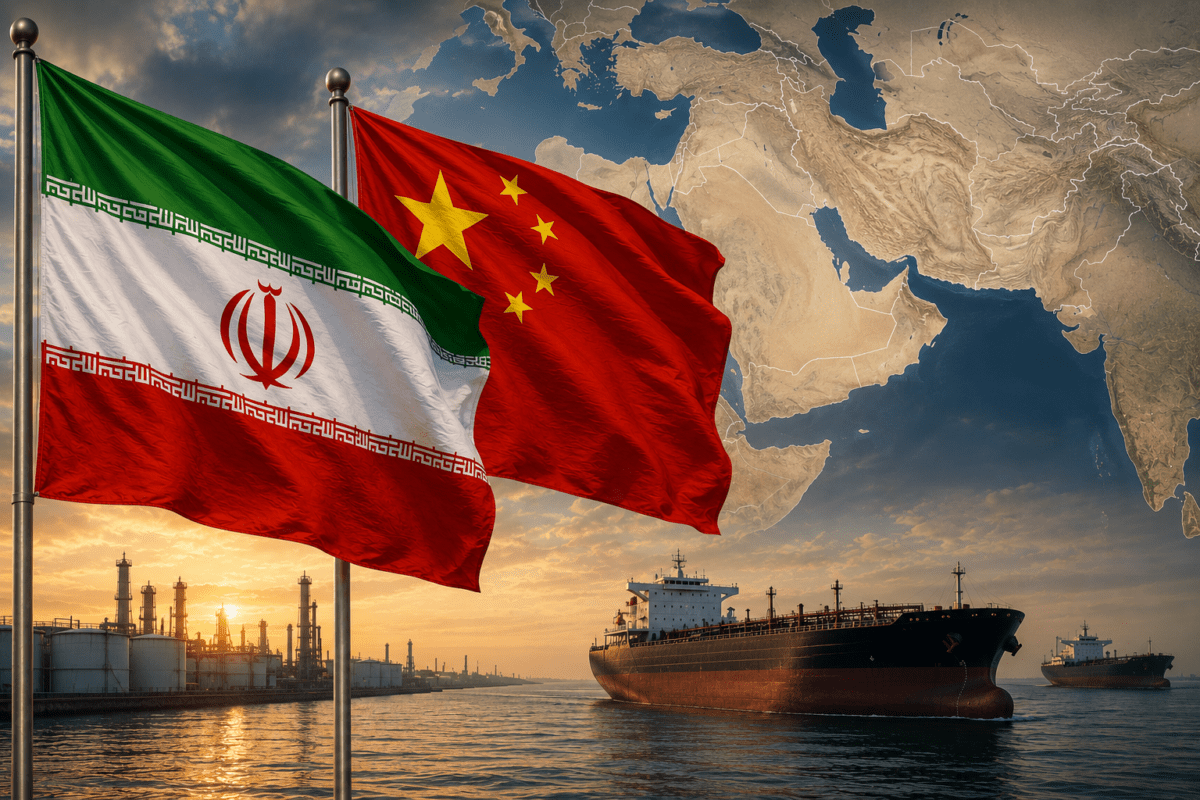
Iran is trying to turn wartime diplomacy into a stronger postwar relationship with China. Tehran wants to show that it still has powerful partners, even under U.S. pressure, sanctions and maritime disruption. Beijing, however, is not moving out of loyalty to Iran. Its position is built around energy security, regional leverage and control over diplomatic risk.
Iran’s ambassador to China, Abdolreza Rahmani Fazli, framed Beijing as a “strategic partner” and “close friend” in a social media post. He said Iran would remember the countries that stood by it during difficult days and argued that relations with China would become broader, deeper and more multidimensional after the war. The message targeted more than China. It also sent a signal to Washington, Gulf capitals and markets weighing whether Iran is becoming more isolated or more embedded in a sanctions-resistant trade network.
For Tehran, China matters because it offers diplomatic weight and economic oxygen at the same time. China remains one of the most important buyers of Iranian oil despite Western sanctions, giving Iran a limited but vital export channel. That channel becomes more important when U.S. pressure rises, shipping risks increase and uncertainty around the Strait of Hormuz affects energy flows. In that environment, Iran’s public praise for Beijing is not symbolic. It is part of a wider effort to protect access to revenue, trade and political backing.
Beijing’s calculation is more cautious. China sees Iran as a useful counterweight to U.S. influence in the Middle East and benefits from discounted Iranian crude. It also wants to preserve its role as a power that can speak to multiple sides in the region. But China does not want a wider conflict that threatens Gulf energy flows, raises shipping costs or damages its relations with Saudi Arabia, the UAE and other major suppliers.
That is the limit of the partnership. China can give Iran diplomatic cover, continued oil demand and room to operate outside Western financial pressure. It is unlikely to risk direct confrontation with Washington or allow Iran to define its wider Middle East strategy. Beijing’s priority is not ideological alignment. It is stability in the trade routes and energy supplies that support China’s economy.
For global markets, the key issue is not whether Iran-China ties deepen. They probably will, especially in energy, logistics, trade corridors and sanctions-resistant finance. The more important question is how far China is willing to go if Iran’s actions increase risks around the Strait of Hormuz or trigger new pressure on oil flows. That is where Beijing’s support becomes more conditional.
Iran wants to show that it is not isolated after the war. China wants to show that it has influence over the crisis without becoming responsible for it. That balance will shape the next phase of Iran-China relations and keep the partnership useful, but limited.