
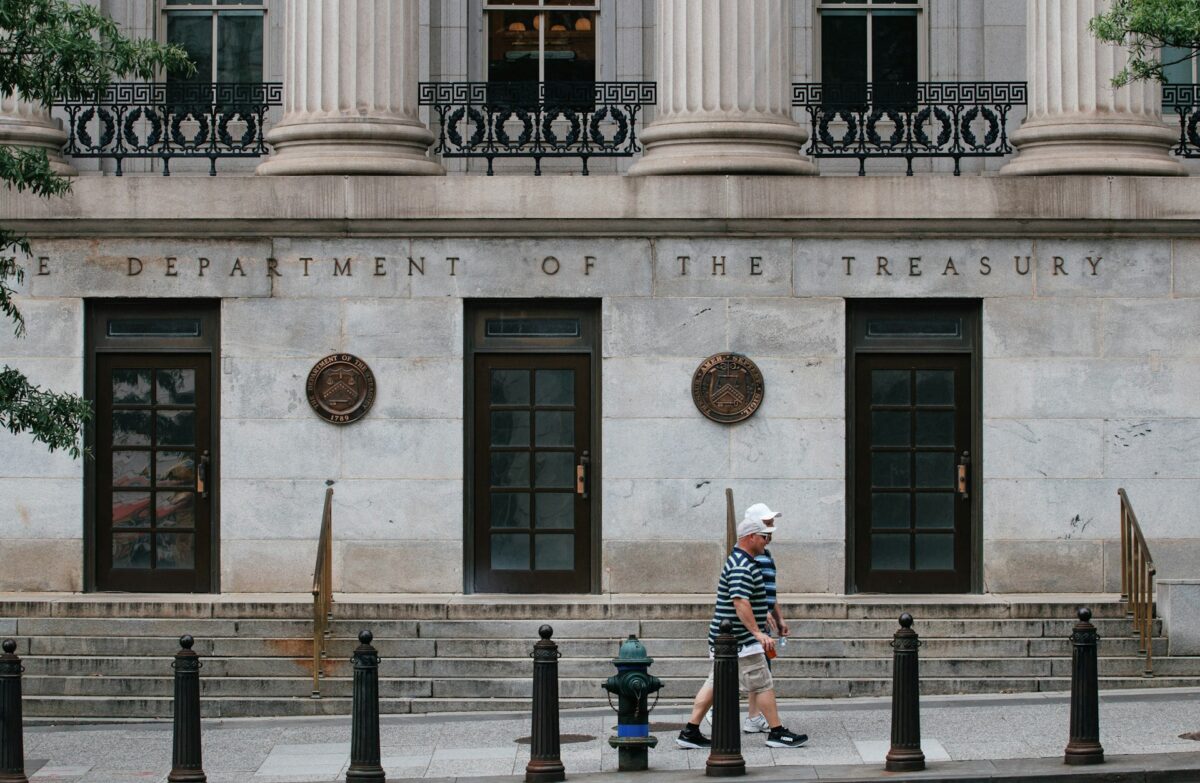
U.S. Treasury Secretary Scott Bessent said the inflation pressure triggered by the Iran war is likely to be temporary, as Washington tries to contain growing public concern over higher fuel prices and household costs.
Speaking before the Senate Finance Committee, Bessent argued that the recent price surge should be viewed as a short-term energy shock rather than a lasting shift in the U.S. inflation outlook.
The message came as gasoline prices remain one of the clearest ways the war is reaching American households. Higher fuel costs have raised transport expenses, squeezed disposable income, and revived political pressure around the cost of living.
Energy prices are driving the inflation debate
The Iran war has pushed energy markets back to the center of the U.S. economic discussion. Oil supply risks and higher gasoline prices have fed directly into consumer inflation, even as other parts of the economy remain relatively resilient.
Bessent acknowledged the pressure on households, saying Americans are paying more for gasoline and that the administration understands the strain. But he rejected the idea that the current inflation rise marks a deeper economic deterioration.
Apart from what he described as a short-term inflation fluctuation, Bessent said U.S. economic data remain strong. He also pointed to the labor market as evidence that the broader economy has not lost momentum.
That distinction matters for markets. If the price rise is temporary, the Federal Reserve may have less reason to respond aggressively. If energy prices stay elevated, however, the shock could spread into transport, food, manufacturing, and consumer expectations.
Fiscal discipline returns to the agenda
Bessent also used the hearing to frame America’s budget challenge as a spending and growth problem, not a revenue problem. He said the U.S. could move back toward a deficit target near 3 percent of GDP if the government restrains spending and expands the economy.
That argument fits the Trump administration’s broader economic position: inflation is a temporary external shock, while growth and fiscal control remain the central policy priorities.
The risk is that households may not experience the situation that way. Fuel prices hit consumers immediately. They change commuting costs, shopping behavior, travel decisions, and confidence. For lower- and middle-income families, higher gasoline prices can quickly crowd out discretionary spending.
Markets will test the “temporary” argument
The administration’s case depends on energy prices falling before the shock becomes embedded in broader inflation. A decline in oil and gasoline prices would support Bessent’s view that the current rise is a short-lived disruption.
But if the war drags on, the pressure could become harder to dismiss. Persistent energy costs would complicate the Federal Reserve’s policy path and increase the risk of weaker consumer spending later in the year.
For now, Washington is trying to separate the inflation spike from the underlying economy. Bessent’s message is clear: the U.S. economy remains strong, and the Iran war has created a temporary price shock.