
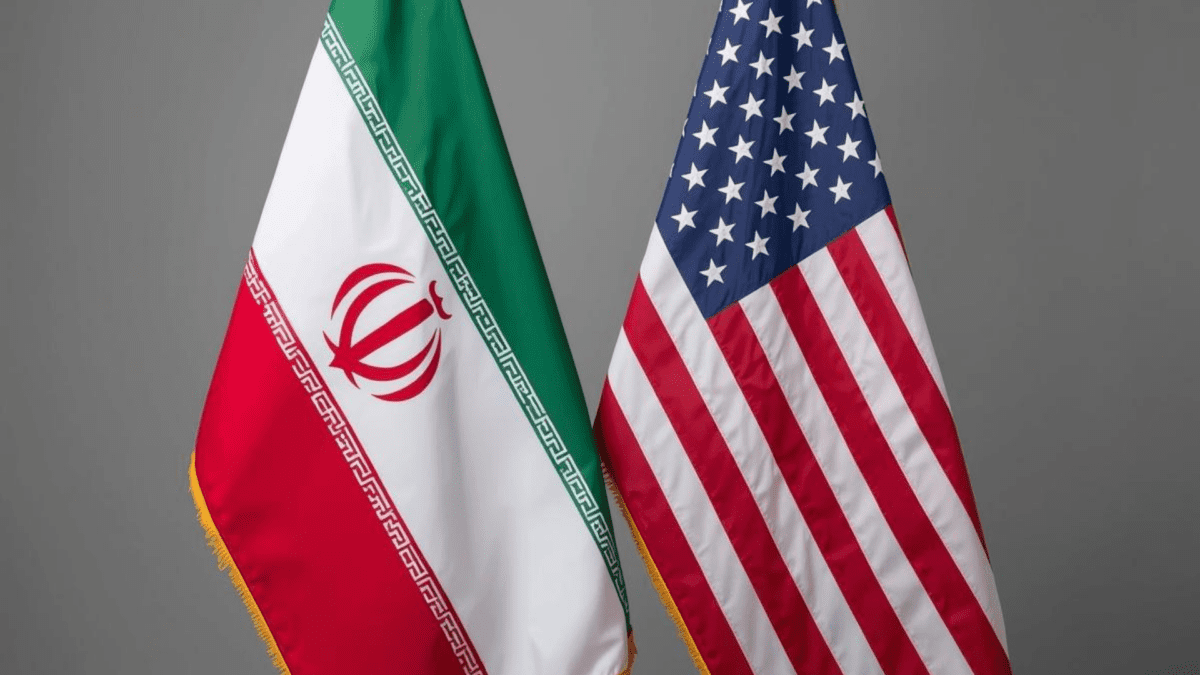
The diplomatic track between Iran and the United States has stalled. Tehran has refused a second round of negotiations, citing U.S. naval activity around the Strait of Hormuz as a ceasefire violation, and the consequences are already reaching global markets.
Why Talks Collapsed
Iran’s official IRNA news agency cited Washington’s excessive demands, unrealistic expectations, constant shifts in stance, repeated contradictions, and the ongoing naval blockade as the reasons for its refusal to return to the table.
Iranian President Masoud Pezeshkian called the naval blockade a clear violation of the ceasefire and contrary to the UN Charter, warning Pakistani Prime Minister Shehbaz Sharif that U.S. actions and threatening rhetoric had increased suspicion among Iranian officials about Washington’s seriousness.
Iran’s parliamentary speaker Mohammad Baqer Qalibaf said it was impossible for others to pass through the Strait of Hormuz while Iran could not, framing the closure as a direct response to the U.S. blockade rather than an act of aggression.
Washington’s Position
Trump confirmed his representatives were heading to Islamabad for negotiations, describing the offer as fair and reasonable, while warning he would knock out every power plant and bridge in Iran if talks failed.
The U.S. military confirmed it was preparing to board Iran-linked oil tankers and seize commercial vessels in international waters in the coming days. Trump also announced the U.S. had forcibly seized an Iranian-flagged cargo ship that attempted to bypass the naval blockade.
Iran’s top negotiator Ghalibaf acknowledged some progress from the first round of talks but said a big distance remains, particularly on nuclear issues and control of the strait.
What the Strait Means for Markets
Before the crisis, roughly 25 percent of the world’s seaborne oil trade and 20 percent of global liquefied natural gas passed through the Strait of Hormuz. Since the closure, hundreds of vessels have been stranded and major shipping firms have suspended operations in the waterway.
Oil prices responded immediately when markets reopened Sunday. U.S. crude climbed 6.4 percent to $87.90 per barrel, while Brent crude rose 5.8 percent to $95.64 per barrel, wiping out most of the declines seen Friday when Iran briefly signaled it would reopen the strait.
The Inflation Exposure
Higher energy prices feed directly into inflation data. For central banks in Europe and Asia that rely heavily on imported energy, a sustained increase complicates efforts to stabilize inflation without slowing growth. Rate decisions, trade balances, and currencies are all exposed.
War-risk ship insurance premiums had already risen sharply in the lead-up to the crisis, climbing from 0.125 percent to between 0.2 and 0.4 percent of ship insurance value per transit. Those costs have not come down.
What Comes Next
The U.S.-Iran ceasefire expires Wednesday, and the conflict has no clear resolution in sight. U.S. negotiators have arrived in Pakistan, but Iran has not confirmed its participation.
Iran’s position remains tied directly to the naval blockade. Until the United States restores full freedom of navigation for vessels travelling from Iran and back, Tehran has stated the strait will remain tightly controlled.
A return to formal talks would require visible de-escalation on both sides. For now neither side is moving.