
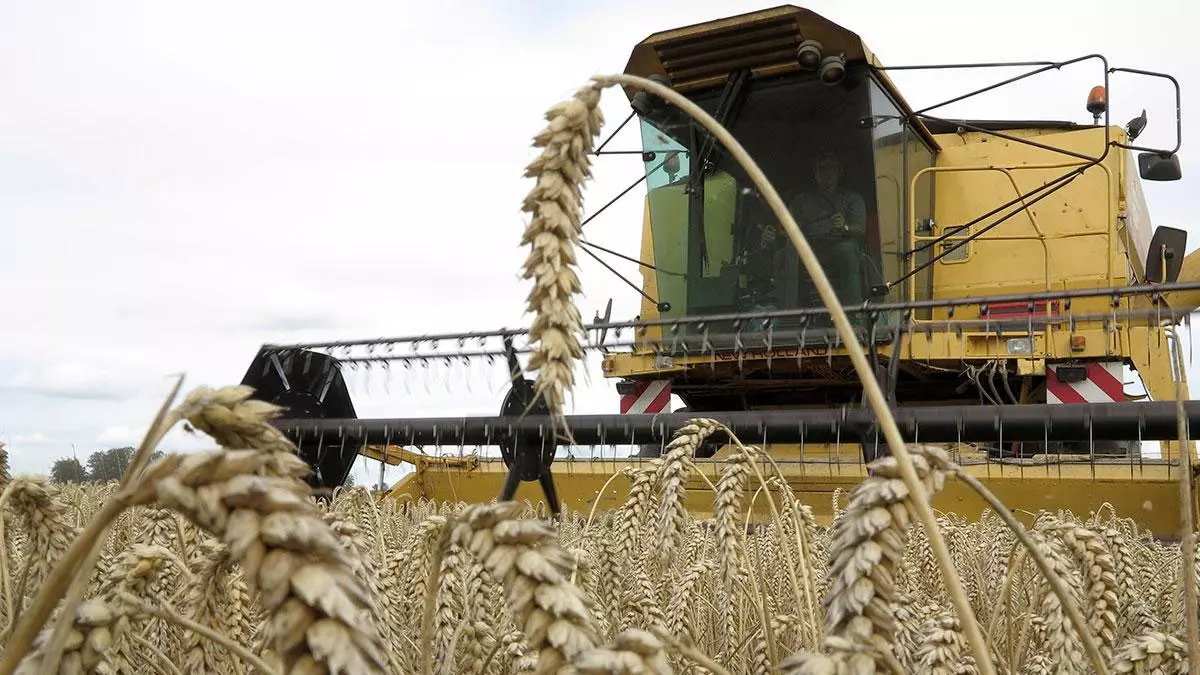
Energy price increases from Middle East tensions are now reaching Europe’s food supply chain. France has introduced an emergency support package targeting its agricultural, transport, and fishing sectors as fuel and fertilizer costs climb.
How Energy Becomes a Farm Problem
The transmission is direct. Fertilizer production runs on natural gas. Field operations, irrigation, and transport run on diesel. When energy prices move up, farm operating costs follow immediately, and margins that were already thin get thinner.
Smaller producers with limited cash reserves feel this first.
What the Government Is Doing
On March 27, France’s Minister of Economy Roland Lescure unveiled a €70 million support plan covering transport, agriculture, and fishing sectors hit by the energy crisis linked to Middle East tensions.
The package breaks down across three sectors. Transport companies receive €50 million in monthly aid through a 20-cent per liter fuel rebate. Farmers benefit from a full suspension of excise taxes on non-road diesel, a measure expected to cost around €14 million. Fishing boats receive the same 20-cent per liter reimbursement, totaling €5 million for the sector.
The government also launched emergency fuel loans of up to €50,000 per facility for small and medium-sized enterprises in transport, agriculture, and fisheries facing acute liquidity pressure.
Agriculture Minister Annie Génévard announced plans to push for the suspension of the EU’s carbon border adjustment mechanism on fertilizers at an upcoming meeting of European agriculture ministers, a move that would reduce import costs for French farms.
The Broader Signal
French officials confirmed the sector-specific measures are temporary, applying for April 2026, and reflect what the government describes as a short-term intervention to stabilize the most affected industries.
Economy Minister Lescure also sent a formal letter to the European Commission requesting an investigation into whether oil refineries across the continent were exploiting current instability to set unjustified prices and achieve exceptional profits at the expense of consumers and producers.
What It Means Going Forward
If input costs remain elevated, food prices will follow. That feeds directly into inflation data at a moment when European central banks are already navigating difficult conditions. Rate decisions, trade balances, and currencies are all exposed.
Analysts warn that longer-term solutions may be required if the crisis extends beyond the short-term window the current package covers. France’s intervention provides immediate relief, but it also marks a broader shift in how European governments are treating energy volatility; no longer just an industrial problem, but a direct factor in food security and agricultural policy.
Other European governments are watching. Similar responses are likely if energy prices stay elevated.