
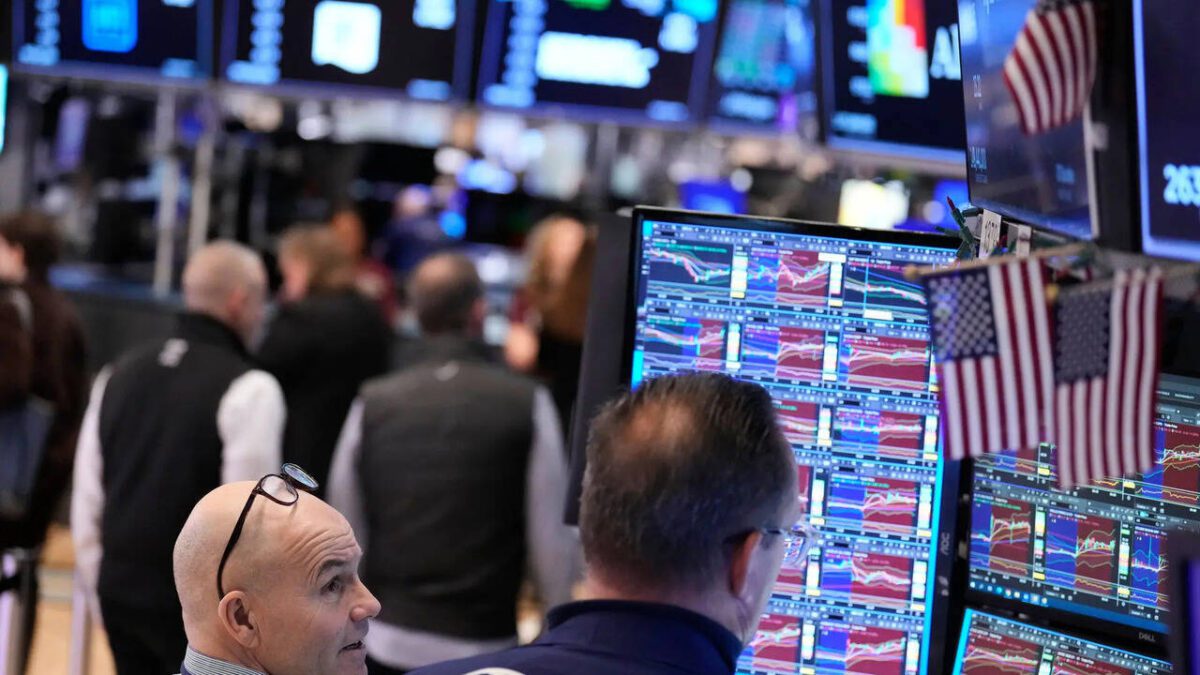
Global markets began the week on the back foot as the fragile U.S.-Iran ceasefire approached its Wednesday expiration with no resolution in sight. Conflicting signals from both sides, combined with fresh disruptions in the Strait of Hormuz, pushed oil higher and equities lower in early trading.
Oil Surges, Equities Retreat
Brent crude surged to $95.42 on Sunday night, while WTI reached $89.77, reversing a large portion of Friday’s sharp decline. The trigger was direct. American forces seized an Iranian-flagged cargo ship after it attempted to bypass the U.S. naval blockade in the Gulf of Oman, the first seizure since the blockade went into effect.
Equity markets responded in the opposite direction. U.S. stock futures declined around 0.7 to 0.8 percent, European futures signaled losses exceeding 1 percent, and the dollar edged higher after weeks of decline, reflecting a shift toward defensive positioning.
Friday’s Rally Undone
The reversal was sharp relative to the previous session. On Friday, the S&P 500 leaped 1.2 percent to an all-time high of 7,126.06, closing out a third straight week of big gains, its longest streak since Halloween. The catalyst was Iran’s foreign minister announcing the strait open to all commercial vessels, which sent oil prices down sharply and equities racing higher.
That optimism evaporated within 24 hours. Iran reversed its decision, fired on vessels attempting to transit, and rejected the second round of U.S. talks, resetting the risk environment entirely.
Asia Holds Relatively Firm
Despite the renewed pressure, Asian markets showed relative resilience. Gains in semiconductor stocks helped offset broader risk concerns, with shares of Taiwan Semiconductor Manufacturing Company and SK Hynix leading advances. Investors appear to have already priced in a meaningful portion of geopolitical risk, limiting the downside in the region.
The Overpricing Problem
Stephen Innes of SPI Asset Management captured the broader concern: the problem for markets is not the absence of hope, it is the overpricing of it. The move higher in equities had started to feel less like conviction and more like momentum feeding on itself.
That dynamic makes markets particularly vulnerable to headline risk. When optimism is priced in before a deal is confirmed, any reversal hits harder than it otherwise would.
The Path From Here
Vice President JD Vance will lead a U.S. delegation to Islamabad for another round of talks with Iran before the ceasefire expires Tuesday night. Iran has yet to confirm participation and has raised concerns the talks could provide cover for a surprise military move.
The U.S. stock market has climbed more than 12 percent since hitting a bottom in late March on hopes the two sides can avoid a worst-case scenario for the global economy. How much of that holds depends on whether diplomacy produces results before Wednesday.
For now, the Strait of Hormuz remains the variable every market is watching.