
China is preparing to reduce its reliance on imported agricultural commodities over the next decade, according to official projections, pointing to a structural realignment in global food trade rather than a cyclical adjustment.
The signal comes from the China Agricultural Outlook Report (2026–2035), as reported by China Daily, issued under the authority of the Ministry of Agriculture and Rural Affairs.
The report outlines a gradual decline in import demand for soybeans, pork, beef, and dairy as domestic production capacity expands and policy shifts toward internal supply security.
Domestic Production Moves to the Center
The direction is explicit.
China is repositioning domestic output as the primary pillar of food supply. Imports are being redefined as a buffer, not a foundation.
Soybean imports, historically the backbone of China’s agricultural trade, are projected to trend lower, potentially reaching around 82 million tons by 2035. Total grain imports could fall by roughly a quarter over the same period.
Officials frame the transition through a security lens. The policy reflects accumulated concerns over geopolitical friction, trade volatility, and supply chain exposure.
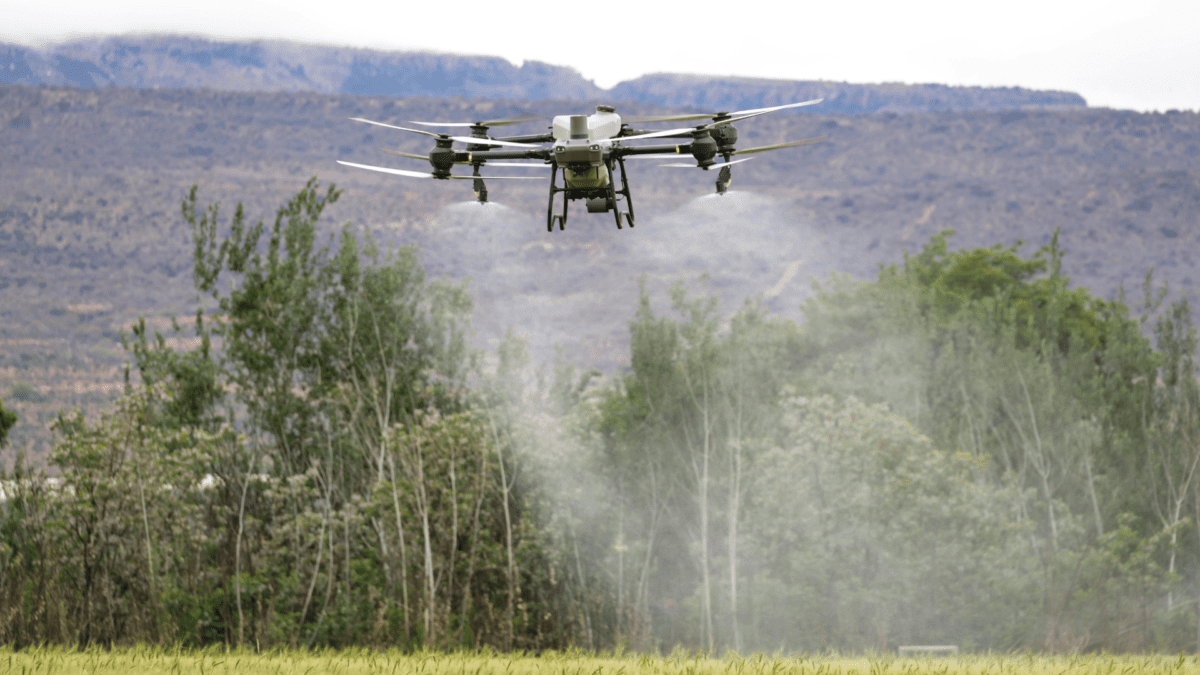
State-linked coverage, including reporting by China Daily, points to rising crop yields, improved land use efficiency, and structural upgrades in farming systems as core drivers behind the shift.
Technology Becomes the Adjustment Mechanism
China is scaling investment in biotechnology, seed engineering, and precision agriculture. Reporting by Reuters highlights a parallel push toward data-driven farming and resource optimization.
One focal point sits inside the livestock sector.
Feed reform is reducing reliance on soymeal, which directly lowers demand for imported soybeans. Given that soybeans have long represented China’s largest agricultural import, even marginal efficiency gains translate into measurable trade impact.
The adjustment operates quietly but structurally. It compresses import demand without disrupting output.
Pressure Builds on U.S. Agricultural Exports
The implications for the United States are direct and measurable.
China has been the dominant buyer of U.S. soybeans for years, anchoring a critical trade relationship. A gradual reduction in import dependence weakens that channel and limits its strategic leverage.
The United States Department of Agriculture has already flagged changes in sourcing patterns, with China diversifying toward suppliers such as Brazil.
For U.S. producers, the shift alters the demand profile rather than eliminating it. Export volumes may remain substantial, but concentration risk increases. Demand becomes less predictable, pricing power less stable.
Global Pricing Enters a New Phase
China’s role in global agricultural markets makes even incremental demand shifts consequential.
As the largest importer of several commodities, its purchasing behavior influences pricing benchmarks worldwide. Slower import growth introduces competitive pressure among exporters and gradually weighs on global prices.
The Food and Agriculture Organization has consistently identified China’s demand trajectory as a central variable in global food market stability. That variable is now moving in a different direction.
A Structural Reset, Not a Cycle
This is not a short-term adjustment tied to price swings or temporary oversupply.
China is recalibrating its food system around resilience. Domestic production is expanding despite higher marginal costs. Imports remain significant but are being repositioned as a supplementary tool.
The shift does not remove China from global markets in the short or long term. It changes how it participates.
The result is a more controlled import model, diversified sourcing, and reduced external exposure. For global agriculture, that translates into a slower demand engine, tighter competition among exporters, and a rebalancing of trade leverage over the next decade.