
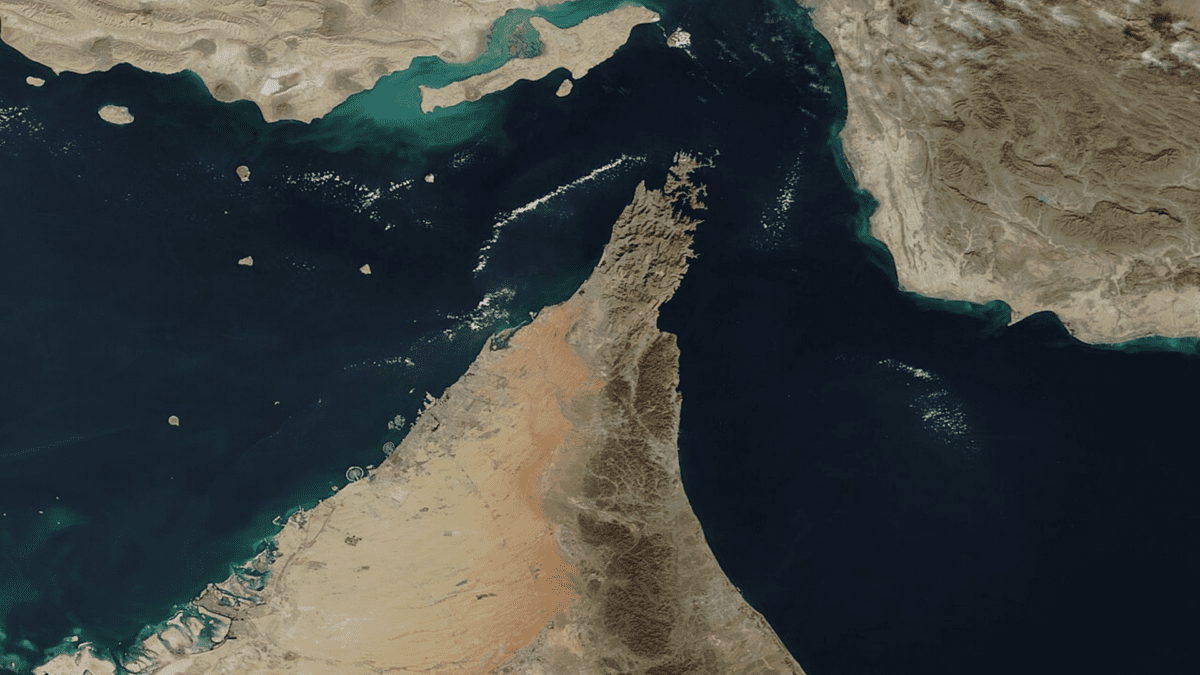
Citic Securities is calling the current situation in the Strait of Hormuz a potential global energy shock, with implications for the global economic order, drawing a direct comparison to the 1956 Suez Crisis.
The argument is not about the conflict itself. It is about what control of trade routes does to global power.
The Energy Math
The Strait of Hormuz carries roughly 20 percent of global oil supply, according to the U.S. Energy Information Administration. Since the conflict began on February 28, Brent and WTI benchmarks have nearly doubled from January levels, the steepest year-to-date rally since 2008.
Insurance costs for vessels transiting the strait have risen sharply. Shipping routes are being extended. Delivery timelines are increasing. None of this has broken the system yet, but each factor adds cost to every link in the chain.
What Banks Are Saying
JPMorgan warns Brent crude could overshoot toward $150 per barrel if the strait stays effectively shut into mid-May. Goldman Sachs puts Brent averaging above $100 through 2026 if disruption extends another month, with analysts noting risks remain skewed to the upside.
Higher oil feeds directly into inflation. That creates a problem for central banks across Europe and Asia that were beginning to stabilize price growth after two years of tightening. Goldman stated in late March that the probability of a stagflationary outcome has increased. A sustained energy shock reopens that work entirely.
Growth Forecasts Are Moving
The IMF and World Bank have both cut global growth projections, citing energy costs and geopolitical risk as the primary drivers. Supply chains are compounding the pressure. Longer routes and increased security requirements raise operating costs for businesses already managing thin margins.
China’s Position
Citic frames this as a potential watershed for American global supremacy, a structural parallel to the moment Britain lost control of the Suez Canal along with its superpower status. China, by that reading, is relatively better positioned. First quarter growth came in around 5 percent and energy supply is more diversified than five years ago.
Goldman pushes back on any reading of full insulation. Flows through Hormuz remain at roughly 10 percent of normal levels. No major economy sits outside the blast radius of a sustained disruption.
The Open Question
Citic’s structural argument, that the US may shift toward a more transactional foreign policy as geopolitical costs rise, sits in tension with the more cautious framing from Western institutions focused on near-term volatility rather than long-term realignment. Both readings may be correct at different time horizons.
Maritime intelligence firm Windward noted this week that the strait has not reopened. It is in a supervised pause. The indicators that matter now are oil prices, shipping costs, and maritime insurance rates. Whether this becomes a structural shift or a temporary shock depends entirely on how the conflict develops from here.