
Trump returned to the White House in January 2025 on a straightforward pitch: lower prices, stronger growth, and a more self-reliant economy built on domestic production. He promised to bring inflation down fast. He promised cheap energy.
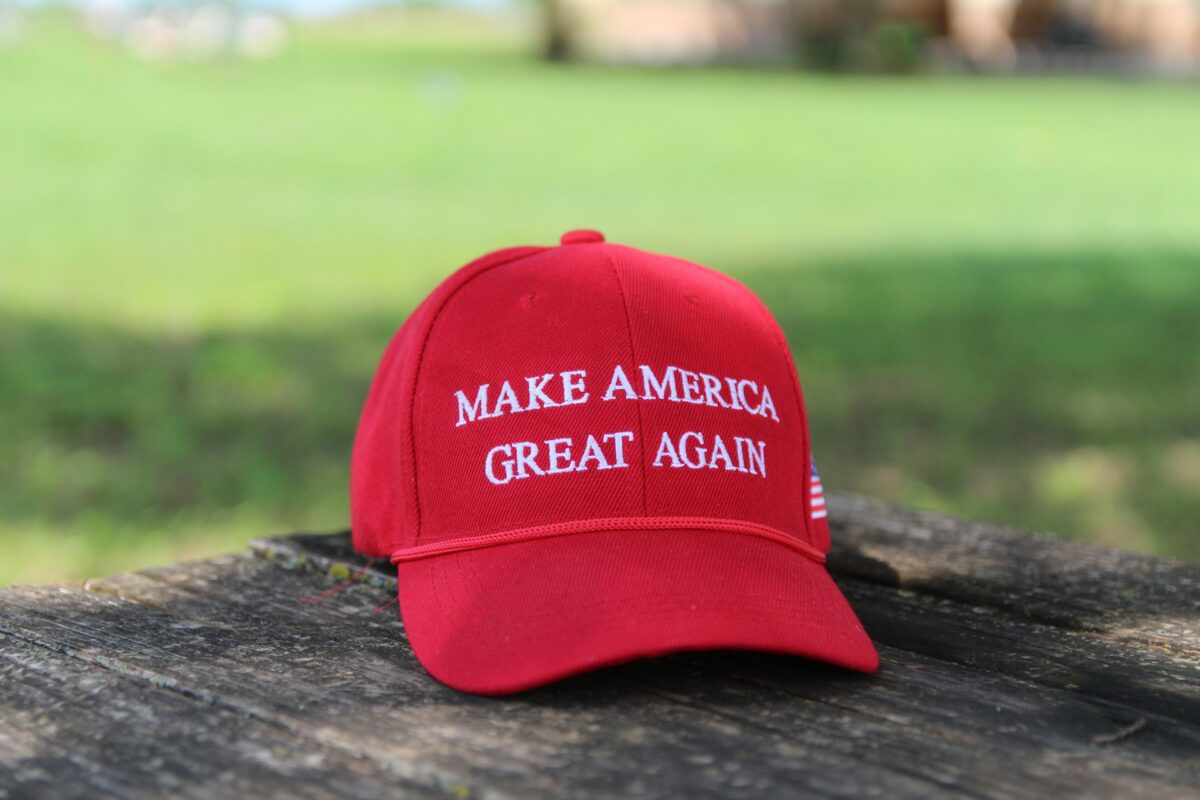
The Make America Great Again agenda rested on three pillars – tariffs, tax cuts, and deregulation – and the expectation was that all three would compound into relief for working Americans.
That expectation has not held.
Costs Up, Approval Down
Tariffs have added to input costs across sectors, pushing consumer prices higher. The consumer price index climbed 3.3% in March from a year ago, slightly above the 3% rate Trump inherited when he returned to office.
Trump’s approval rating on the economy dropped to 30% in April from 38% in March, according to AP-NORC. For context, that matches the floor Biden hit in July 2022 when inflation was at a four-decade high.
Tax policy has followed a similar trajectory. The cuts were designed as broad relief, but distribution effects have skewed toward higher-income brackets, with limited immediate impact on middle-class cost pressures.
The Iran Variable
The original draft attributed energy price increases to vague “escalation around Iran.” That undersells what actually happened. In February, the U.S. and Israel launched coordinated surprise attacks on Iran. Tehran responded with strikes on U.S. allies in the region, damaging oil export facilities and shutting down roughly a fifth of global oil trade.
Gasoline prices have since risen to around $4 a gallon, a dollar more than before the war started. That is not a market fluctuation. It is a direct consequence of a policy decision, and voters are reading it that way.
What the Polling Shows
A Reuters/Ipsos poll conducted April 15-20, drawing responses from 4,557 U.S. adults, found that 77% of registered voters hold Trump at least partly responsible for rising gas prices. That view spans party lines: 55% of Republicans, 82% of independents, and 95% of Democrats assign him responsibility.
70% of respondents rejected the claim that the economy is booming. 82% said inflation is a major concern.
58% of voters, including one in five Republicans and two-thirds of independents, said they would be less likely to support midterm candidates who back Trump’s approach to the Iran conflict.
The Structural Problem
The more revealing number is the shift in party positioning. Republicans now hold just a one-point advantage over Democrats on economic management, 38% to 37%, down from a 14-point lead immediately after Trump’s second term began in January 2025, according to Reuters/Ipsos.
That erosion is the real story. Republicans have owned the economy as a political issue for years. Losing that advantage in a midterm year, while holding both chambers, is not a messaging problem. As Republican strategist Erin Maguire told Reuters, bringing down prices was a cornerstone of the MAGA movement, and with costs rising, that is a difficult position to defend.
The White House still calls this the Golden Age. Voters are paying $4 for gas and not seeing it that way.