
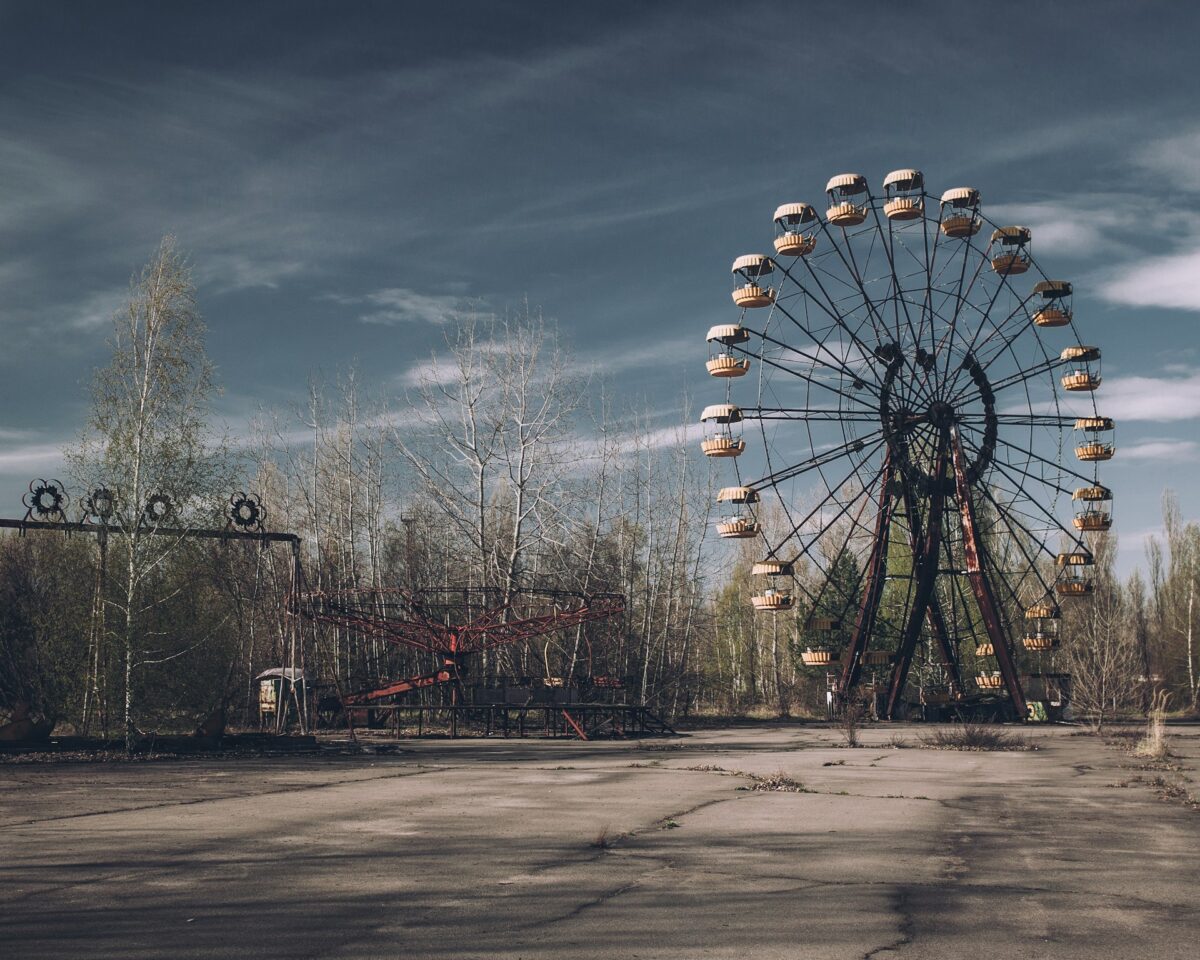
In 1986, Chernobyl exposed what happens when nuclear systems fail from within. In 2025, a drone strike, which Ukraine attributes to Russia, punched a visible breach in the site’s protective confinement structure. No radiation spike followed. No immediate crisis. That is exactly the problem.
The incident did not restart the nuclear debate. It moved it to new ground. The question is no longer just how nuclear energy is produced. It is whether nuclear infrastructure can be secured when the environment around it is actively hostile.
Nuclear Energy Is Expanding. So Are Its Risks.
Nuclear power is back at the center of global energy strategy. Governments under pressure from decarbonization targets and energy security concerns are returning to it for straightforward reasons: stable output, lower emissions, reduced exposure to fossil fuel import volatility.
But the operating environment has changed fundamentally. Energy infrastructure is now embedded in modern conflict. Power grids, fuel networks, and generation facilities are no longer incidental targets. They are instruments of strategic pressure. Nuclear sites, once treated as effectively untouchable, are no longer exempt from that logic.
A Structural Blind Spot
The Chernobyl strike did not cause a catastrophe. That is precisely why it matters.
The confinement structure held. No radiation leaked. But the breach revealed something the incident reports will not fully capture: a nuclear site can sustain damage without triggering an immediate crisis, while still accumulating risk over time. Repeated or sustained damage degrades systems in ways that are not visible until they are. That is a slower, harder-to-manage threat than the sudden failure scenarios that shaped existing safety doctrine.
Regulation Has Not Kept Pace
International nuclear safety frameworks were designed for a stable world. They assume functioning institutions, clearly defined national responsibilities, and conditions that allow for proper monitoring and response.
None of those assumptions hold cleanly in an active conflict zone.
Modern warfare operates across multiple layers simultaneously; physical strikes, cyber intrusion, and indirect infrastructure pressure can all converge on a single facility. The International Atomic Energy Agency can observe and document. It cannot guarantee protection. Nuclear facilities remain under national jurisdiction, but the consequences of their failure do not stop at national borders.
Who Guarantees Safety?
The 1986 disaster made clear that radioactive fallout does not respect territorial limits. That reality has not changed. What has changed is where the threat originates. Damage no longer has to come from internal malfunction. It can come from external force, deliberate or incidental.
That shift raises a question the current framework has no answer for. If nuclear safety is a national responsibility but nuclear risk is a global one, who is actually accountable when something goes wrong in a war zone? There is no enforcement mechanism, no clear doctrine, and no authority capable of closing the gap. It is widening.
Energy Strategy Meets Security Reality
Nuclear energy will likely expand over the coming decades. The economic and strategic case for it is structural, not ideological, and the pressure behind it is not going away.
What is not keeping pace is the governance surrounding it. The breach at Chernobyl is not a technical footnote. It is a signal that the conditions nuclear infrastructure operates in have changed, and the frameworks designed to manage it have not caught up.
If nuclear power is to remain a serious part of the global energy mix, its security cannot remain a national afterthought. The next incident may not come from inside a reactor. It may come from the conflict zone surrounding one.