
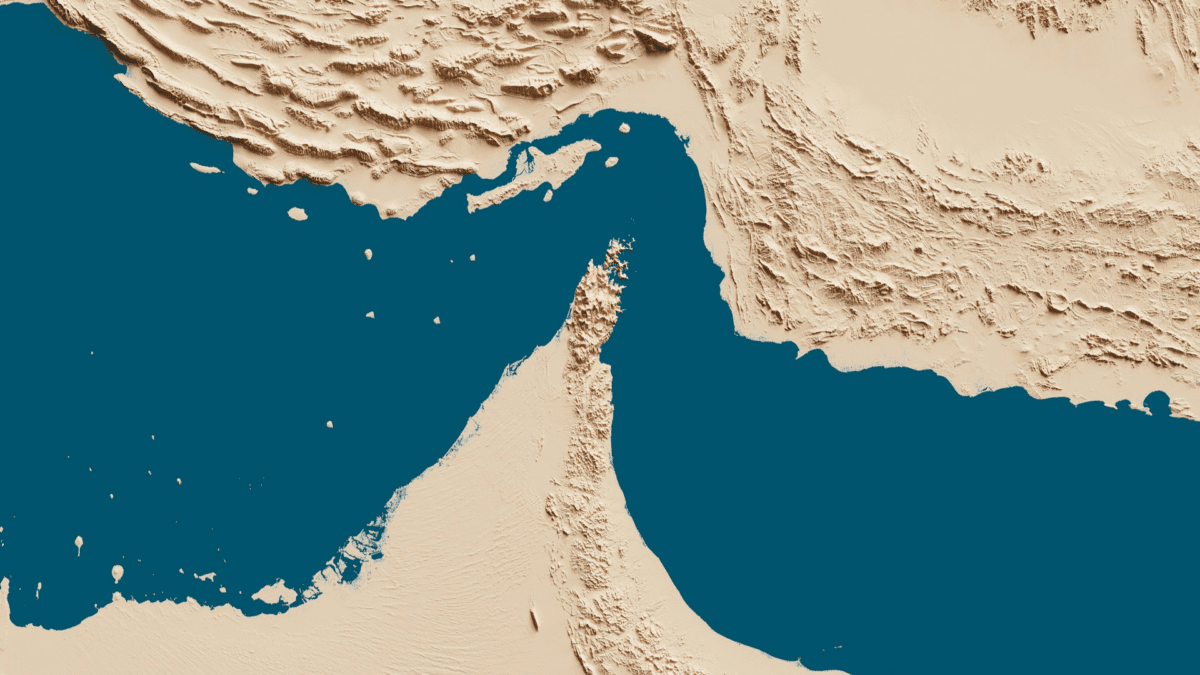
Iran has a proposal on the table. Reopen the Strait of Hormuz, end the war, lift the U.S. blockade, and handle the nuclear question later.
Pakistan carried the offer to Washington over the weekend. A U.S. official and two sources familiar with the matter confirmed it.
Trump called it a “much better” proposal on Saturday. His team has not accepted it.
The core problem is sequencing. Iran wants nuclear negotiations to begin only after the strait reopens and the blockade is lifted. That order strips Washington of its primary leverage. Agreeing to it means walking into nuclear talks with nothing left to offer and nothing left to threaten.
The strait closed on February 28, when the U.S. and Israel launched strikes on Iran and assassinated Supreme Leader Khamenei. A fifth of the world’s traded oil and gas passed through it in peacetime. It doesn’t anymore. Brent crude is trading around $108 per barrel, nearly 50 percent above where it was when the war began.
Iran’s foreign minister spent the weekend in Islamabad and Muscat before flying to Moscow. He made clear to Pakistani, Egyptian, Turkish, and Qatari mediators that there is no consensus inside the Iranian leadership on how to address U.S. nuclear demands. The proposal sidesteps that internal deadlock by taking the nuclear file off the immediate agenda.
Washington’s stated position hasn’t moved. The White House said it “will not negotiate through the press” and that Trump will “never allow Iran to have a nuclear weapon.” A Situation Room meeting on Iran is scheduled for Monday.
Accepting Iran’s terms would remove the pressure needed to extract nuclear concessions, the two primary war objectives Trump has publicly committed to. Rejecting it keeps oil markets stressed and the strait closed.
Neither side is ready to move first. That’s where things stand.