
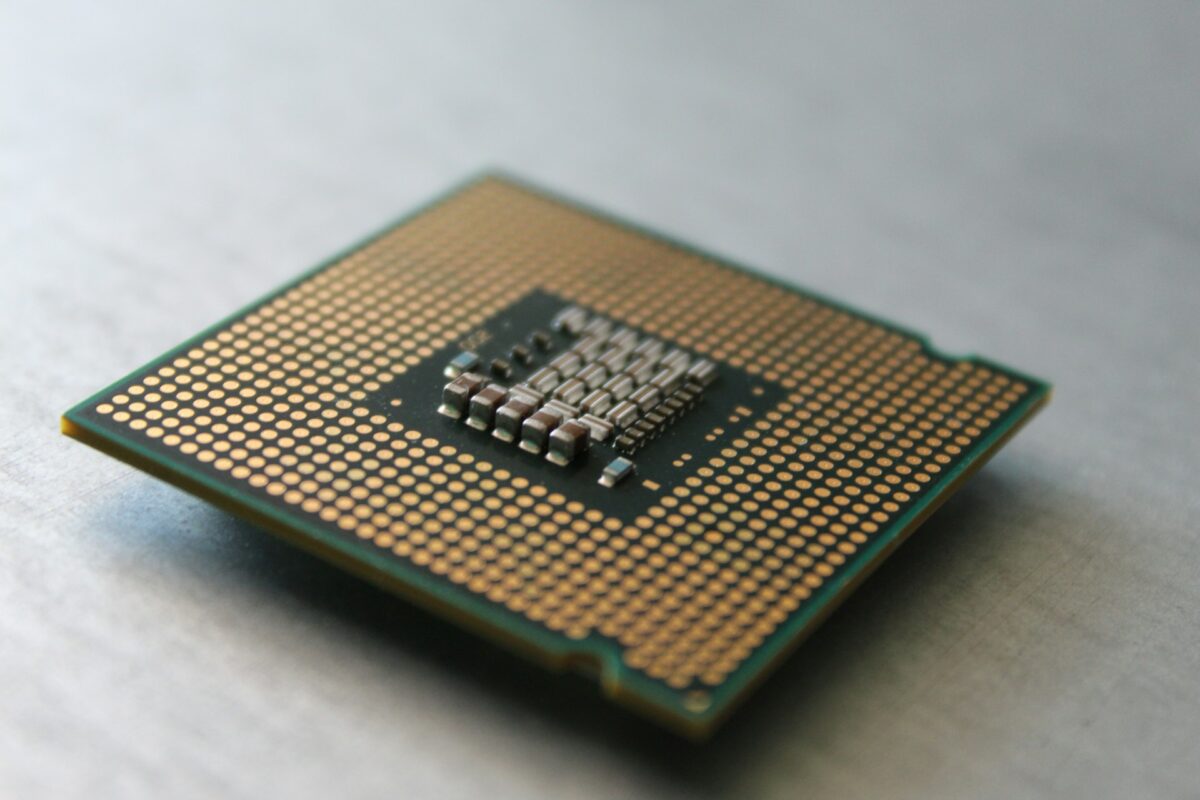
Russia’s search for a post-Western chip ecosystem is starting to look expensive.
A recent test of the Irtysh C632, a 32-core processor sold for the Russian market, showed The Witcher 3: Wild Hunt running at roughly 22 to 32 FPS on ultra settings and 25 to 38 FPS on low settings. The system used a Radeon RX 9060 XT graphics card, so this was not a weak machine on paper.
That is why the result matters. The small gap between low and ultra settings suggests the GPU was not the main problem. The bottleneck likely came from the CPU platform, software compatibility, or both.
Sanctions pushed Russia toward China
After the war in Ukraine, tighter U.S. and allied export controls made legal access to Western high-performance chips harder for Russia. Intel and AMD processors became more difficult to obtain through normal channels.
Russia’s answer has increasingly involved China.
The Irtysh processor appears to rely on LoongArch, the instruction set architecture developed by China’s Loongson. That gives Russia an alternative to U.S.-linked x86 chips. But it also shows the limit of Moscow’s technology independence. Russia is not replacing Western chips with a fully domestic ecosystem. It is shifting dependence toward China.
Hardware is only one part of the problem
The Irtysh C632 has serious specifications, including 32 cores and features aimed at server-style workloads. That may make it useful for state institutions, industrial systems, and controlled domestic infrastructure.
Gaming exposes a different weakness.
LoongArch does not have the mature software ecosystem of x86. Running a major PC game likely requires Linux, Wine or Proton, and extra translation layers such as Box64. Every layer creates friction. Every layer can cut performance.
That is the economic point. Russia may find alternative hardware. Replacing decades of x86 software optimization is much harder.
China gains leverage
For China, LoongArch supports a long-term push for technology sovereignty outside Western control. For Russia, it offers a sanctions-era lifeline.
But dependence does not disappear. It moves.
If Russian firms build more systems around Chinese chip architecture, China gains more influence over Russia’s computing base. That could help Chinese chipmakers in government, defense-linked, and industrial markets where Western suppliers are no longer realistic options.
The gaming test is small. The shift behind it is not.
The price of technological separation
The Irtysh C632 does not need to beat mainstream gaming CPUs to matter. Russia may still use it where security, domestic branding, and sanctions resistance matter more than consumer performance.
But the test shows the trade-off clearly.
A country can move away from Western chips. It can adopt alternative architectures. It can put domestic branding on adapted technology. But performance, compatibility, and developer support take years to build.
Russia now has a chip route outside the West. The Witcher 3 test shows the cost of taking it.