
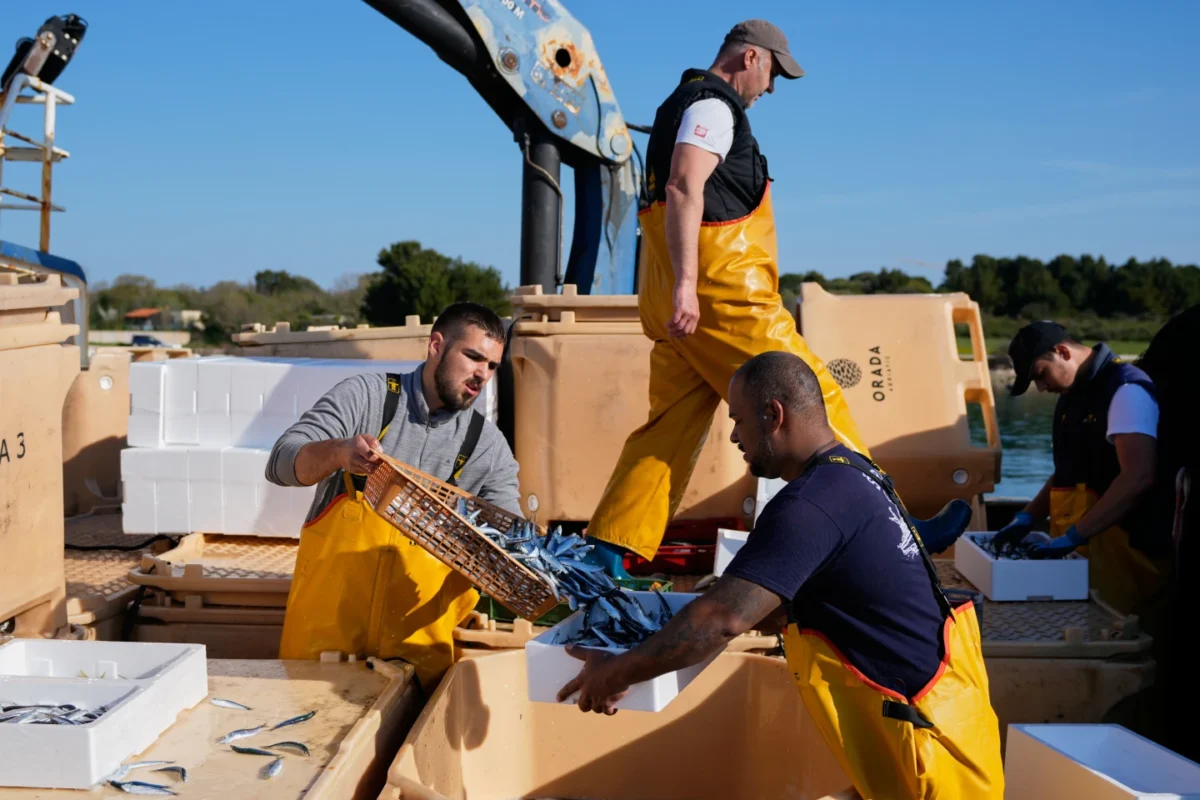
The Iran war has pushed fuel prices higher and turned fishing into a margin crisis for some crews in Dubrovnik. Reuters reported that fishing captain Dinko Cvjetojevic has cut operations after fuel rose to as much as 90% of operating costs, roughly double the share before disruption in the Strait of Hormuz.
This is not a demand problem. The weather is good, fish are available and the summer season is close. The problem is the cost of going to sea.
Fuel is crushing fishing margins
When fuel becomes the biggest cost of each trip, every voyage starts with a risk. Smaller operators cannot absorb that pressure for long. They either fish less, charge more, sell locally or keep boats tied up at port.
That makes this more than a local fishing story. Fishing is one of the first sectors to feel an oil shock because diesel is not optional. Boats cannot easily switch to another input. If fuel costs rise faster than fish prices, margins disappear.
Hormuz is now a local business problem
The Strait of Hormuz is far from Croatia, but the cost shock travels fast. The International Energy Agency says nearly 20 million barrels per day of oil moved through the strait in 2025, making it one of the most important routes in the global energy system.
In April 2026, the IEA said shipments through the strait remained severely restricted, with crude, natural gas liquids and refined product loadings well below pre-crisis levels.
For coastal businesses, that turns geopolitics into operating cost. What happens in the Gulf can show up in a fuel bill in Dubrovnik.
Tourism raises the stakes
Croatia’s fishing sector is small, but it connects directly to a much larger industry: tourism. Restaurants, hotels and local markets depend on fresh seafood during the peak season. If fewer boats go out, supply tightens. If crews keep working at higher cost, part of that cost can move into food prices.
That matters because tourism is central to Croatia’s economy. The World Bank said tourism accounted for 19% of Croatia’s GDP in 2024.
The risk is not that fishing alone changes Croatia’s outlook. The risk is that high fuel prices stay in place through summer and spread through transport, food supply, hospitality and small business margins.
Croatia is entering its most important season with part of its coastal economy already under pressure.
For Dubrovnik’s fishermen, the calculation is simple. The fish are there. The buyers are there. But if fuel takes the margin, the boat stays at the dock.