
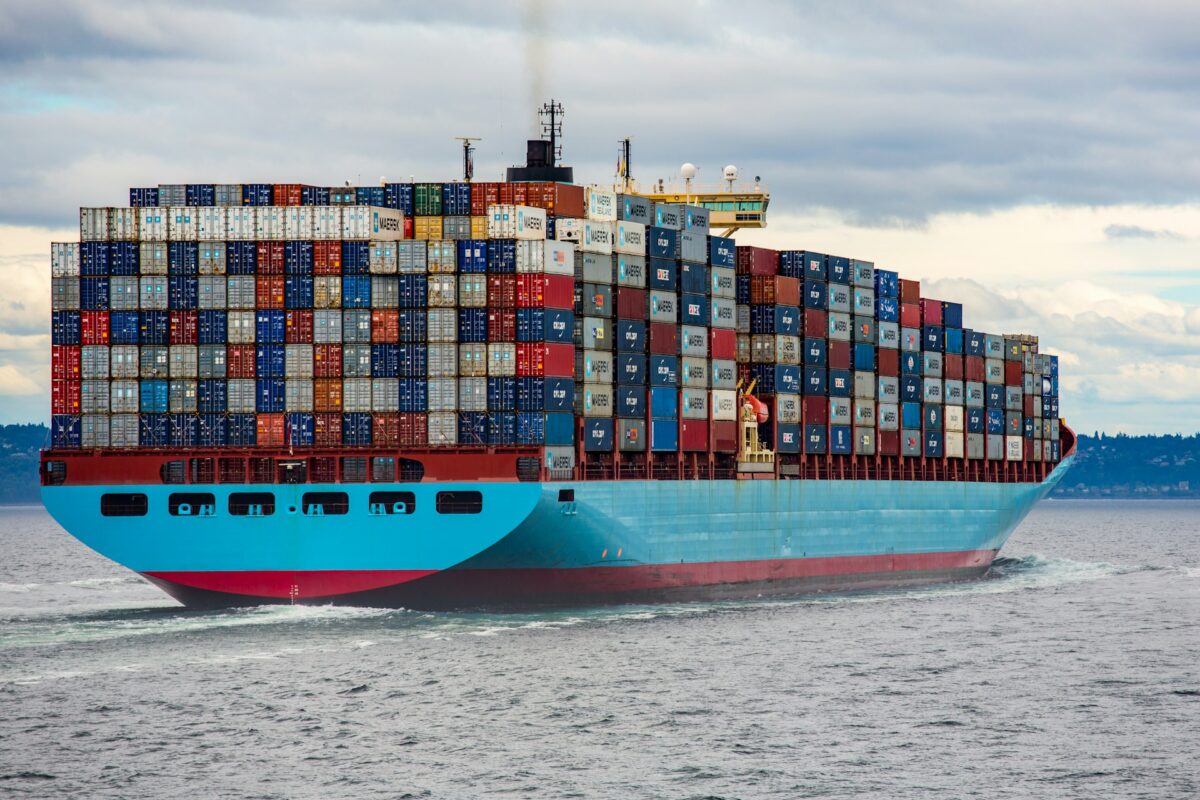
Somali piracy is returning at a difficult moment for global trade. Shipping companies are already dealing with higher energy risk, more expensive insurance and route uncertainty caused by the Iran war. Now the waters off Somalia are adding another pressure point to the system.
Three vessels have been targeted off Somalia since April 20, raising concern that the Horn of Africa could again become a high-risk zone for commercial shipping. The area sits near one of the key maritime routes linking Asia, the Middle East, Africa and Europe. Even limited disruption can affect costs.
Piracy risk rises off Somalia
EUNAVFOR Operation Atalanta confirmed piracy incidents involving the motor tanker HONOUR 25 and the merchant vessel SWARD off Somalia’s northern coast. It also said it was investigating the hijacking of a dhow that may be linked to the SWARD case. The sequence began after the fishing vessel ALKHARY 2 was hijacked on April 20 and later released with its crew safe.
The Joint Maritime Information Center has raised the piracy threat level for the Somali Coast and Somali Basin to severe. It said two vessels remained held by Somali pirates and warned that pirate action group activity was highly likely across the area.
For shipping, that changes the calculation. Piracy does not need to reach 2011 levels to move costs. It only needs to raise uncertainty.
Hormuz has already raised the cost of risk
The return of Somali piracy comes as the Strait of Hormuz remains under pressure from the Iran war. The International Energy Agency says nearly 20 million barrels per day of oil moved through Hormuz in 2025, equal to about 25% of world seaborne oil trade. About 19% of global LNG trade also depends on the same route.
That makes disruption expensive. Brent crude settled at $114.01 on April 30 after touching $126.41, its highest level since March 2022, according to Reuters.
The insurance market is also reacting. Marine insurers including Gard, Skuld, NorthStandard, London P&I Club and the American Club cancelled war-risk cover for vessels in Iranian waters, the Gulf and adjacent waters from March 5. Reuters also reported that the Middle East-to-Asia crude tanker benchmark had nearly tripled since the start of 2026.
Maritime security is back in the inflation story
Somali piracy adds a second layer of risk to an already strained shipping system. Hormuz affects energy flows. The Red Sea affects container traffic. Somalia now threatens vessels moving around the Horn of Africa.
Each problem adds cost. Some of it comes through insurance. Some comes through longer routes, security measures, delays and higher freight rates. None of these costs stays isolated inside the shipping industry. They move through supply chains.
At its peak, Somali piracy created major costs for shipping, insurance and naval protection. The World Bank estimated that piracy cost the global economy about $18 billion a year in increased trade costs. It also estimated that pirates collected $339 million to $413 million in ransom payments between 2005 and 2012.
The risk today is not a full repeat of that period. The risk is accumulation. Global trade is facing several maritime pressure points at the same time.