
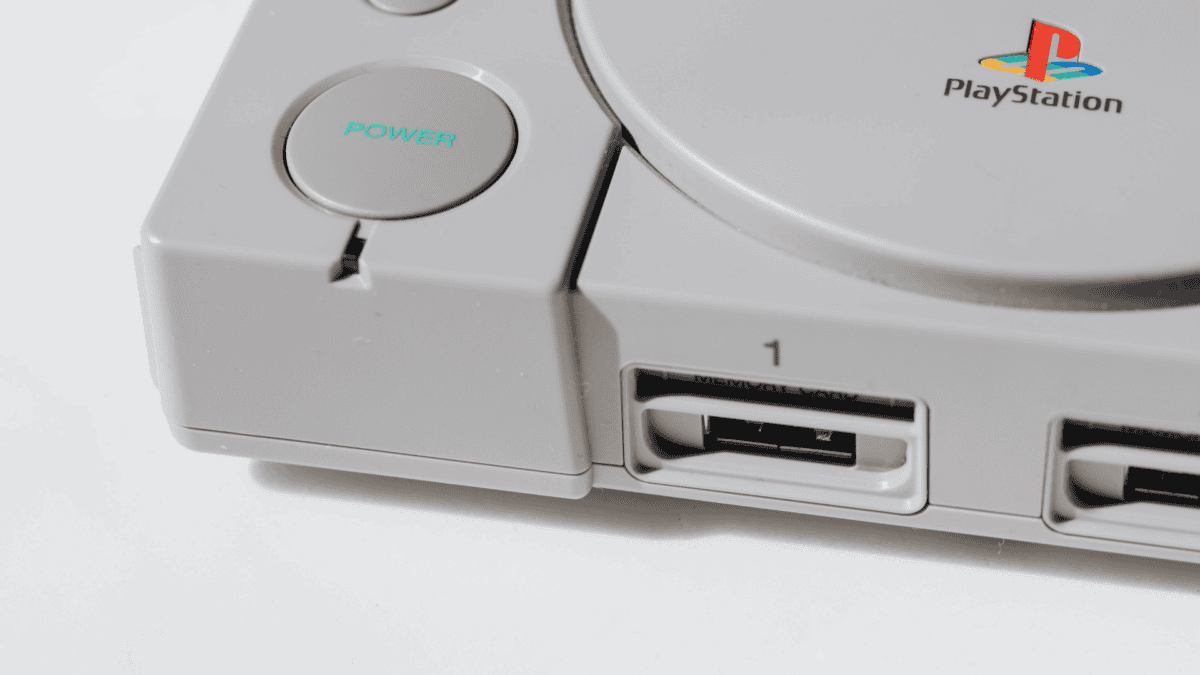
This isn’t another “physical media is aesthetic” piece. I’m not nostalgic for it, I can’t be. I grew up right in the handoff between physical and digital. My first console was a PS4 — before that, I’d played some games on PS3, but since I didn’t own it, I’m not counting it — and my first way to listen to music was an MP3 player. I don’t care about Y2K design or retro tech for its own sake.
What I care about is simpler: owning what I pay for.
The PS4 story
My PS4 came bundled with two discs: Call of Duty: Ghosts and Infamous: Second Son. I loved both. I wasn’t playing online at the time, I didn’t even know what PSN was for, so the console never touched the internet.
Eventually I sold both discs. Got cash back. Later, I sold the console itself too, also for a profit.
That’s the entire argument in one sentence: if you own something, you can rent it, trade it, or sell it. A subscription or a digital license gives you none of that.
Why Sony wants physical media dead
When Sony announced plans to phase out physical media, their stock went up. That’s not a coincidence, it’s the whole point.
A disc creates a secondhand market. You can resell it, someone else buys it cheaper, and Sony makes nothing on that second sale. Kill the disc, kill the resale market, and every transaction routes back through them.
That’s also the entire logic behind the subscription push. You think you own all the games on the platform, and they’re making a lot of money with cheaper (?) prices from tons of gamers.
The subscription trap
$14 a month for 500+ games sounds like a great deal; no $60 price tags, no trips to a store. But you’re not buying access. You’re renting a company’s mood.
They can pull a game from the catalog whenever they want, raise the price with no leverage on your end, or shut the whole service down and take every game you “had access to” with it. You never had a say, because you never owned anything.
Buying digital isn’t much better. You’re still locked into whatever price the platform sets, with none of the resale value a disc has. Steam sales are the exception, not the rule most platforms don’t discount consistently, and a disc bought secondhand can be a fraction of the price of the same game bought new digitally, years later.
When “pay for the experience” isn’t good enough
NieR Reincarnation released in 2021. I loved the story. It was a gacha game, service-based by design, and Square Enix shut it down. Every dollar spent on it bought nothing that outlived the servers. No offline mode, no way to keep even the base game. You paid, and then it was gone.
This isn’t limited to gacha games anymore. Fully offline, single-player games are increasingly locked behind live-service requirements or platform-dependent licenses. Ownership is disappearing even where there was never a reason for it to.
It’s bigger than games
Ebooks vanish from your library when a publisher’s license expires or company decides to remove it. A show gets pulled from a streaming platform the moment a licensing deal ends.
It’s the business model. You are not the customer of a product; you’re a subscriber to access, and access can be revoked at any time, for any reason, with no recourse.
One day,and this is speculation, but not a wild one, you might lose access to a game, book, movie, or song simply because it violates the platform’s rules.
Rules that are, themselves, made up. A government can ban a service in a country entirely; we’ve seen it happen. But no one is coming into your house to take a physical book off your shelf, unless owning it is literally a crime (a rare case indeed).
The point
I’m not telling anyone to buy a stack of Blu-rays or hunt down an old MP3 player. I’m saying: when ownership is actually on the table, take it. A disc, a cartridge, a DRM-free file, these are the only versions of your media that can’t be quietly deleted, delisted, or priced out from under you.
In an age where companies increasingly decide what you’re allowed to keep, physical media is one of the last places where “I bought this” still means something.