
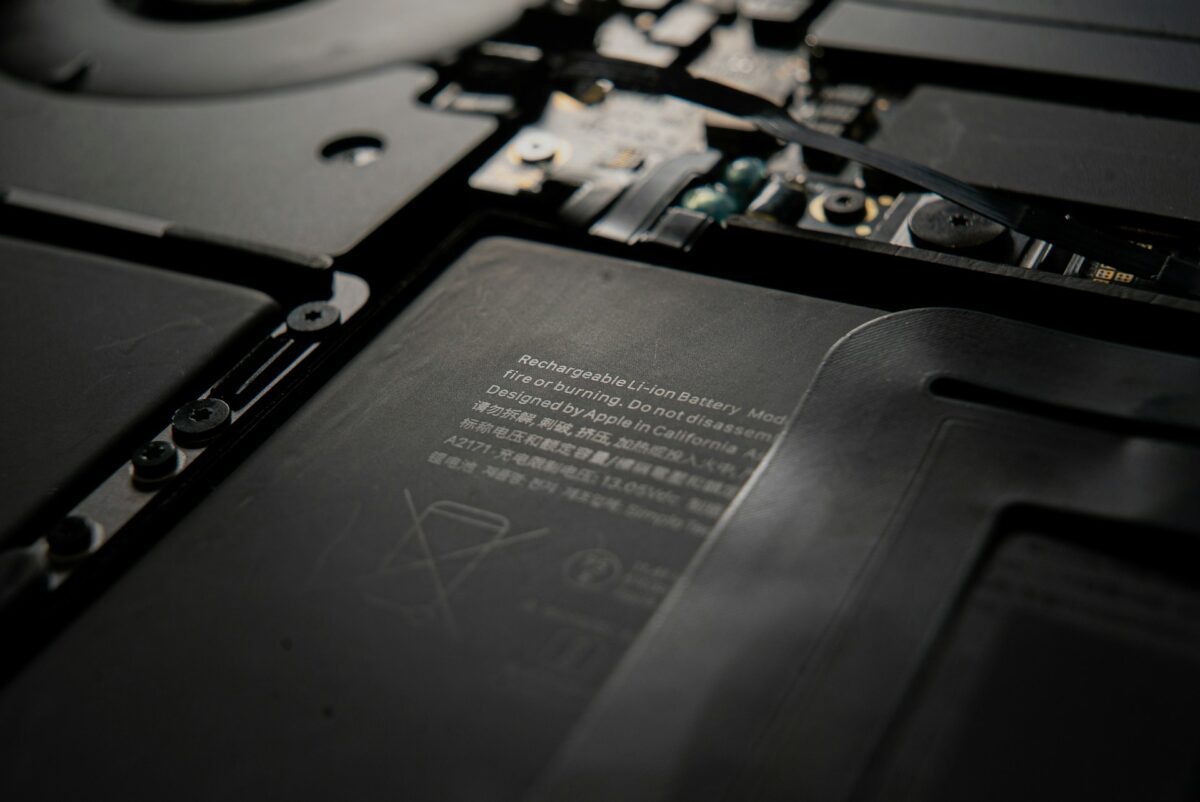
A small plant in Delta, British Columbia, is testing whether North America can build its own lithium supply chain from the ground up.
Mangrove Lithium opened the continent’s first commercial-scale electrochemical lithium refining facility this year. Current output sits at roughly 1,000 tonnes of battery-grade lithium annually, enough to supply about 25,000 electric vehicles.
A Different Refining Method
Conventional lithium refining relies on chemical processes that are water-intensive, costly, and difficult to scale quickly. Mangrove’s electrochemical approach runs on electricity rather than chemical reagents. The company says it improves efficiency and cuts the environmental footprint of processing. Independent verification of those claims is still limited at commercial scale, but the plant operates and produces.
That distinction matters. Most of the world’s lithium refining capacity sits in China, built over decades of deliberate industrial policy. Replicating it through conventional means takes time and capital that Western governments have historically been unwilling to commit. A cheaper, faster method changes that calculus.
Scale Is the Next Test
Mangrove plans a second facility targeting enough processing capacity to support 500,000 electric vehicles annually. That operation would require domestic spodumene inputs, pulling in Canadian mining supply alongside refining. Vertical integration, from raw ore to battery-grade lithium carbonate, is the stated goal.
If it executes, Canada would hold a complete lithium supply chain within its own borders for the first time.
Government Has Skin in the Game
Ottawa has classified lithium as a critical mineral. That designation unlocks funding mechanisms, streamlines permitting in some jurisdictions, and signals to investors that the government will not walk away mid-project.
Canadian officials publicly frame projects like Mangrove’s as instruments of supply chain independence and domestic job creation. The framing is also a response to external pressure. According to the Canadian government’s critical minerals strategy, reducing reliance on single-source foreign supply chains is now a formal industrial policy objective.
Demand Is Not Waiting
Global lithium demand continues to rise across three parallel tracks: electric vehicle production, grid-scale battery storage, and consumer electronics. None of those sectors is slowing. The International Energy Agency projects lithium demand could increase sixfold by 2040 under current electrification trajectories.
Recent oil price volatility, driven partly by Strait of Hormuz disruptions, has accelerated the economic argument for electrification. Higher fossil fuel costs compress the payback period on EVs and grid storage. That tightens lithium demand further.
The Environmental Constraint Is Real
Lithium mining and processing consume substantial water. Processing spodumene generates waste streams that require management. Moving operations to Canadian soil means Canadian ecosystems and communities absorb those pressures. Regulatory frameworks will determine how that trade-off lands. That debate has not been resolved.
China’s Lead Holds, for Now
China controls approximately half of global lithium processing capacity, according to the IEA. Its position is structural, built through integrated investment across mining, refining, cathode production, and cell manufacturing over two decades. Canada cannot close that gap in the near term.
What projects like Mangrove introduce is an alternative node in a market that currently has very few. In critical mineral supply chains, redundancy has value independent of volume. Buyers, governments, and manufacturers are beginning to pay for it.