
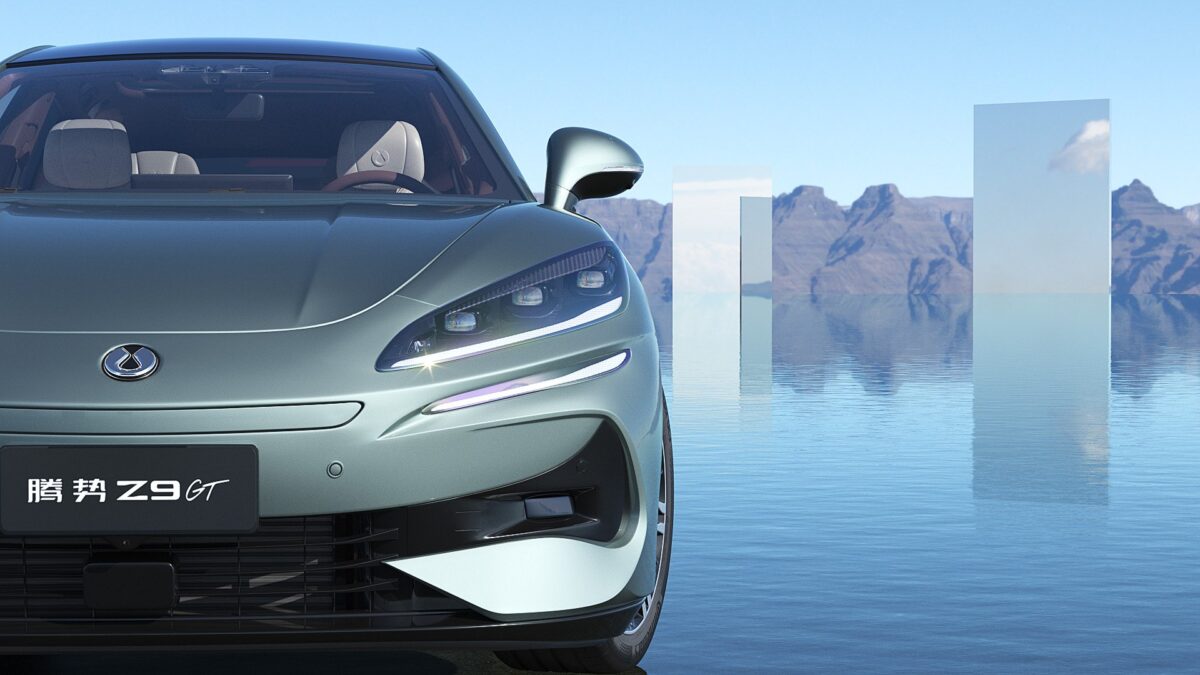
When BYD launched the Denza Z9 GT in Europe, the price told the story before the car did. In China it starts at around €33,500. In Europe, the same car opens at €115,000; deliberately set €1,400 below the Porsche Panamera. That gap is not a pricing error. It is the entire point.
What the Numbers Actually Reflect
Import duties, shipping, homologation, VAT, and local distribution all push costs up. Tariffs on Chinese EVs account for roughly 10 percent, plus another 17 percent in duties, adding around $10,500 to the vehicle price. That leaves a significant portion of the markup unexplained by logistics alone.
Analysis from S&P Global Mobility suggests the price gap between Chinese models at home and in Europe is unlikely to reflect import tariffs and shipping costs alone, pointing instead to a deliberate pricing strategy by BYD.
Positioning Over Production Cost
At €115,000, the Z9 GT sits just below the Porsche Panamera, which starts at €116,400 in Germany. That placement is deliberate. BYD is not entering Europe as a value alternative. It is positioning Denza as a direct competitor to the brands Europeans already associate with premium motoring.
Price at this level functions as a signal. It communicates that the product belongs in a specific conversation; one that includes Porsche, BMW, and Mercedes, not budget imports.
What the Car Brings to That Conversation
The Z9 GT is powered by a tri-motor setup delivering 1,140 horsepower, carries a 122.49 kWh battery, offers a WLTP range of up to 372 miles, and charges from 10 to 97 percent in nine minutes. It can also perform lateral movement during parking.
BYD plans to back the hardware with 3,000 Flash Charging stations across Europe by end of 2026, part of a global target of 6,000 stations. This is infrastructure investment, not a one-car launch.
The Brand Building Logic
Premium margins fund premium presence. Denza plans to expand to more than 30 European countries and open over 150 retail stores by end of 2026, while hiring executives from Porsche, Stellantis, and Peugeot to run the European operation.
Lower pricing might generate early attention. It would not generate the margins needed to build that kind of footprint.
The Trust Problem
The product case is strong. The brand case is harder. Chinese cars still carry significant stigma in Europe around safety, quality, and security concerns. Europeans have shown willingness to overlook that for a bargain. Whether they will accept the same risk at six figures is a different question entirely.
Lexus took years to earn credibility in Europe despite strong products. At this price point, buyers evaluate resale value, long-term support, and brand history alongside specifications.
BYD is asking European buyers to pay Porsche money for a name they did not know five years ago. The Z9 GT makes a strong technical argument. Whether that argument translates into trust at €115,000 is what the next two years will answer.