
Syria’s reopened border with Iraq gives Damascus something more valuable than symbolism: a practical role in regional trade again.
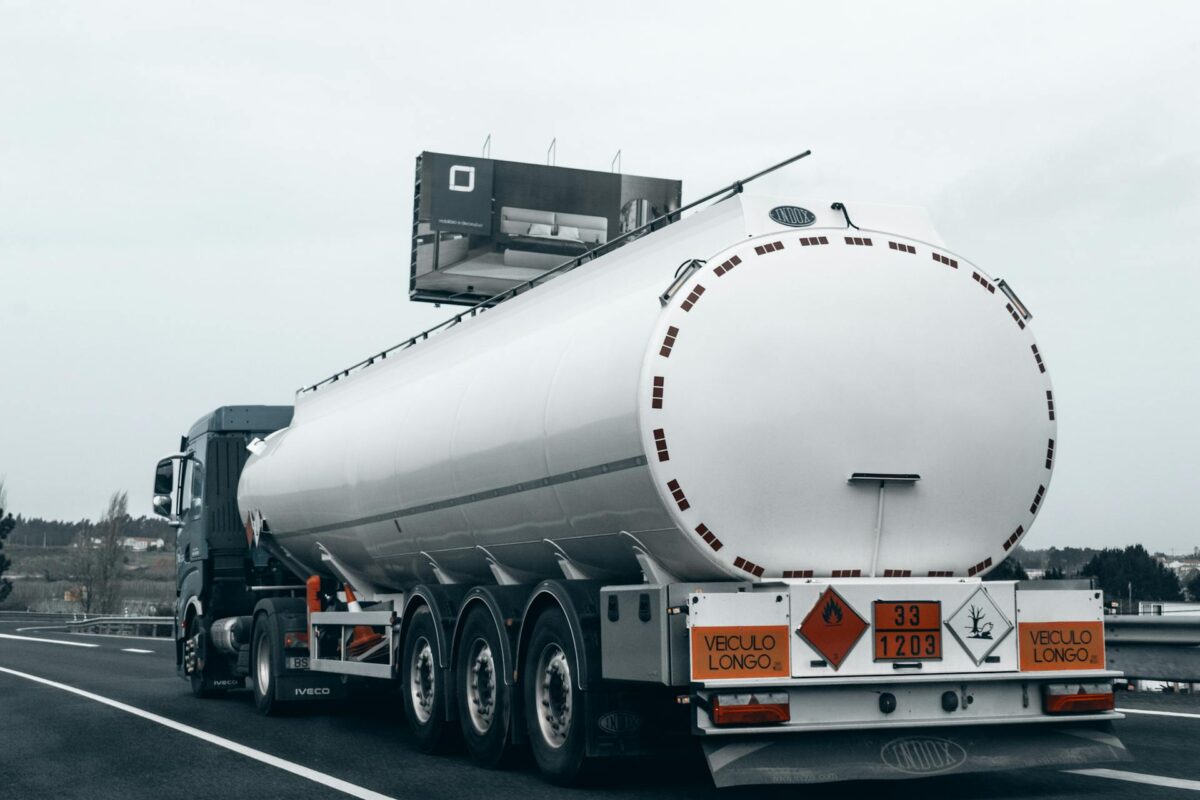
The Rabia-Yarubiyah crossing reopened on April 20 for the first time in more than a decade. For Iraq, it creates another overland route for fuel oil exports at a time when disruption around Gulf shipping and the Strait of Hormuz has made normal export channels less reliable. Reuters reported that Iraq’s state oil marketer SOMO arranged contracts to move about 650,000 metric tons of fuel oil per month from April to June through Syria.
For Syria, the economic benefit starts with the obvious parts. Trucks need routes, fuel, security, customs clearance, port handling and storage. Each movement creates activity in an economy still shaped by years of war and underinvestment.
Damascus is trying to prove that Syria can again work as a trade corridor between Iraq, the Mediterranean and wider regional markets. Iraqi fuel convoys have already moved through Syrian routes toward Baniyas on the Mediterranean coast, showing that the corridor is no longer only a political idea. It is being tested in real logistics conditions.
That matters because Syria’s recovery cannot be built on aid alone. Reconstruction needs functioning infrastructure that produces income. Transit is one of the few areas where Syria still has natural advantages: geography, road links, border access and a Mediterranean outlet.
If Damascus can keep the route secure and predictable, Syria becomes useful again to neighbors that need alternatives.
For Iraq, the Syrian route is not a full solution. Trucks cannot compete with pipelines or seaborne tankers on scale, cost or efficiency. That limit is important. Land transport can ease pressure, but it cannot replace the Gulf.
Still, optionality has economic value in a crisis. Iraq relies heavily on oil revenue. When Gulf routes face risk, every extra outlet matters. AP also noted that land transport has far lower capacity than maritime or pipeline options, but the reopened crossing still gives Iraq another way to move oil-linked cargo when its main routes are under stress.
Iraq does not need Syria to solve its export problem. It needs Syria to reduce the damage when the main route becomes harder to use.
The diplomatic angle may be even more important. Syria can now argue that it is not only a country asking for reconstruction support. It is a country that other governments may need for trade, fuel movement and regional connectivity.
That changes the conversation with Iraq, Gulf states, Turkey, Jordan, Europe and international institutions.
Europe is already moving in that direction. Reuters reported that the European Commission proposed resuming the 1978 EU-Syria cooperation agreement, with trade, investment and security ties part of the wider agenda.
For Gulf states, the route gives another practical reason to engage Damascus. Turkey and Jordan could also benefit if a more reliable Syria supports wider land trade across the Levant. Europe has its own reason to watch: Syria’s transit position becomes more relevant if Middle East shipping risks stay high.
The opportunity is real, but it is fragile. Security, insurance costs, customs discipline and road reliability will decide whether this becomes a durable corridor or only a wartime workaround.
Syria has not solved Iraq’s export problem. But it has returned to the region’s logistics map at a moment when alternative routes have real economic value.
That is the story beneath the reopened crossing. Conflict is forcing the Middle East to rethink trade routes around risk. Syria is trying to turn that disruption into economic and diplomatic leverage.