
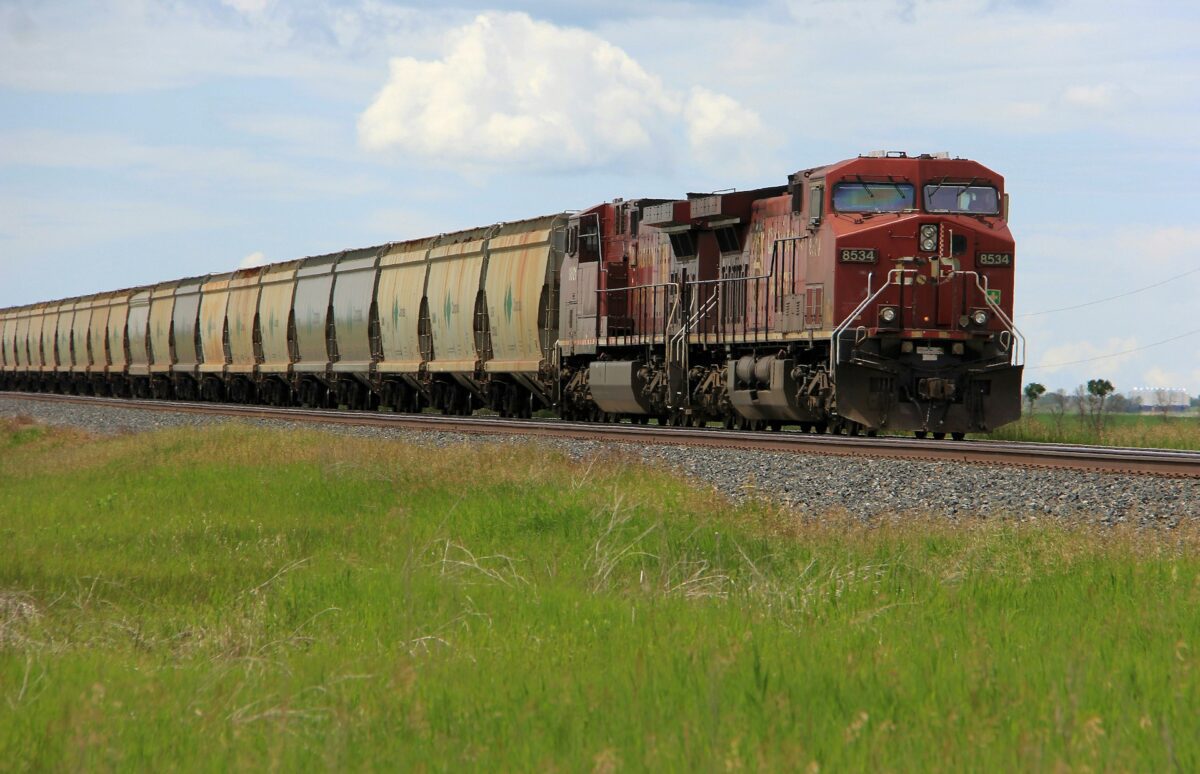
Iran is trying to reduce its exposure to maritime pressure by moving more trade inland. Kambiz Etemadi, head of the Container Committee at Iran’s Maritime Transport Association, said the country has the capacity to shift about 40% of its trade to land and corridor routes. He also said around 15% of Iran’s total transit volume could move through the International North-South Transport Corridor.
That matters because Iran’s economy still depends heavily on the sea. In 2023, Iran’s Ports and Maritime Organization said more than 90% of the country’s foreign trade moved by sea. Ports, shipping lines, insurance access and vessel tracking remain central to Iran’s external economy. That gives U.S. pressure a clear target.
Washington does not need to stop every shipment. It can make maritime transport more expensive, slower and legally risky for companies that deal with Iran. That raises the cost of trade and limits Iran’s access to global markets. Iran’s answer is geography.
Land corridors cannot fully replace sea routes. They carry smaller volumes and depend on rail capacity, road networks, customs systems and border coordination. But they give Tehran something valuable: options. For a sanctioned economy, options matter.
The International North-South Transport Corridor now has a larger role in Iran’s strategy. The route was created through an agreement signed by Iran, Russia and India in 2000. It links the Indian Ocean and Persian Gulf with the Caspian Sea, Russia and northern Europe. For Iran, it is no longer only a trade route. It is a pressure valve.
If Tehran can move more cargo through rail, road and Caspian routes, it can keep part of its trade system active even when maritime pressure increases. That will not remove the impact of sanctions. It can make them harder to apply cleanly.
Russia and India have reasons to watch closely. Russia needs stronger non-Western trade routes as sanctions reshape its economy. India wants better access to Central Asia, Russia and European markets without relying only on long maritime routes. Azerbaijan, Türkiye and other regional states also matter because South Caucasus and Caspian routes can shape how goods move between Asia, the Middle East and Europe.
This is where Iran’s corridor strategy becomes more than a sanctions story. It is also about control of infrastructure. If Iran becomes a stronger transit hub, it gains economic and diplomatic value. If rival routes expand faster, Tehran could lose part of that opportunity.
The challenge is scale. Moving 40% of trade away from sea routes would be difficult. Iran would need better rail links, smoother border crossings, stronger logistics coordination and steady cooperation with corridor partners. Even a smaller shift would still help.
It could keep selected goods moving, reduce pressure on ports and give trading partners an alternative route. It would also complicate U.S. efforts to isolate Iran through maritime pressure alone. Iran is trying to turn geography into leverage. Sanctions can still hurt. But land corridors make isolation harder.