
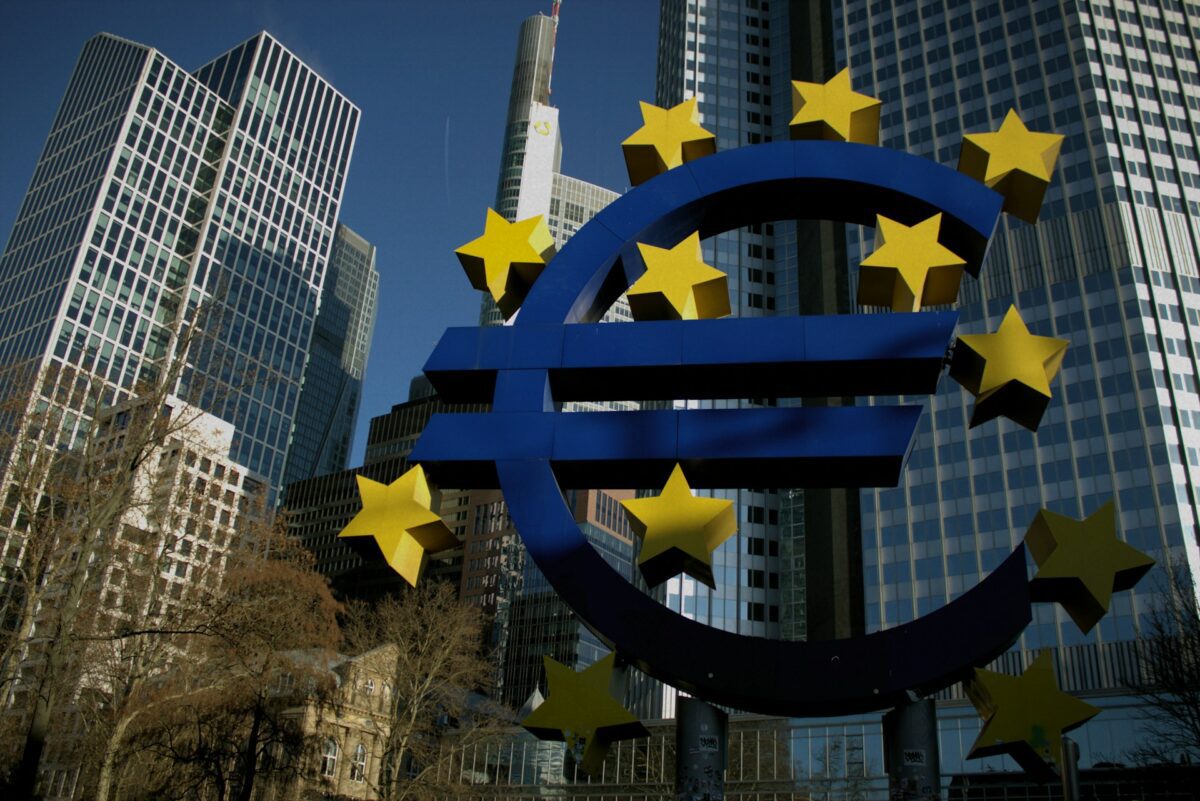
Europe’s digital euro plan is becoming a test of control. Not only over money, but over the infrastructure that moves money.
The European Central Bank wants to create a digital form of public money for everyday payments. It would work online and offline. It would sit beside cash and bank deposits, not replace them.
But the project has moved beyond central banking. It now touches payments, banks, data, competition and Europe’s strategic autonomy.
Europe wants its own payment rails
Europe still relies heavily on foreign payment networks. Visa and Mastercard remain central to card payments across the region, especially in cross-border transactions. Both are U.S.-based. That matters more as payments become digital infrastructure, not just a consumer service.
A card tap looks simple. So does a phone payment or online checkout. But behind each transaction sits a system of fees, data flows, settlement rules and private networks. That is the part Europe wants to control more directly.
The digital euro would give the region a public payment instrument issued by the ECB. Banks and payment firms would still handle customer services. The central bank would provide the money behind the system.
That design is technical. The motive is political. Europe does not want the next phase of payments to depend mainly on U.S. card networks, big technology platforms or dollar-backed stablecoins.
Stablecoins raised the pressure
Stablecoins changed the debate. The United States has moved toward clearer rules for private stablecoins. That could make dollar-backed digital assets more important in global payments. China has already tested its digital yuan at scale.
Europe is choosing a different route. It wants a state-backed, regulated and euro-based digital payment option. The goal is not to copy crypto. The goal is to keep the euro relevant as money becomes more digital.
That is why the digital euro matters beyond retail use. If dollar-backed stablecoins gain ground in online commerce, settlement or cross-border payments, the euro could lose influence in parts of the digital economy. A digital euro would give Europe its own public tool before that shift becomes harder to reverse.
Banks see a direct threat
Banks and private payment providers are the main source of resistance. Their concern is simple. A strong digital euro could weaken existing payment businesses, reduce fee income and change how customers interact with banks.
The key issue is legal tender status. Supporters say the digital euro must be widely accepted. Without that, it risks becoming another optional payment tool with limited reach.
Banks and private platforms see risk in mandatory acceptance. They argue it could distort competition and pressure private European payment projects before they can scale.
This is where the design becomes critical. A weak digital euro may not change anything. A powerful digital euro may trigger resistance from banks, merchants and payment firms.
Privacy may decide public trust
The political risk is privacy. A state-backed digital currency immediately raises questions about surveillance. Critics worry that public digital money could give governments more visibility over personal spending.
The ECB says privacy protections will be part of the system, especially for offline payments. That will help. But technical promises may not be enough.
Cash is trusted because it is simple, physical and private. The digital euro must prove it can protect some of those qualities in digital form.
If voters see it as a surveillance tool, the project will struggle. If they see it as a safe alternative to private payment networks, adoption becomes easier.
Europe faces a hard choice
The digital euro is not only about faster payments. It is about whether public money remains useful in a digital economy. It is also about reducing dependence on foreign networks without damaging the banks and payment firms that already serve consumers and businesses.
That balance will decide the project. If EU legislation moves forward, the ECB could prepare for implementation before the end of the decade. If resistance grows, the project may be delayed, narrowed or limited mainly to offline use.
Either result matters. Europe wants payment sovereignty. But sovereignty is harder once the core infrastructure is already controlled by private global networks.
The digital euro may become Europe’s answer to Visa, Mastercard and dollar-backed stablecoins. Or it may show how difficult it is to rebuild control after dependence has already become normal.