
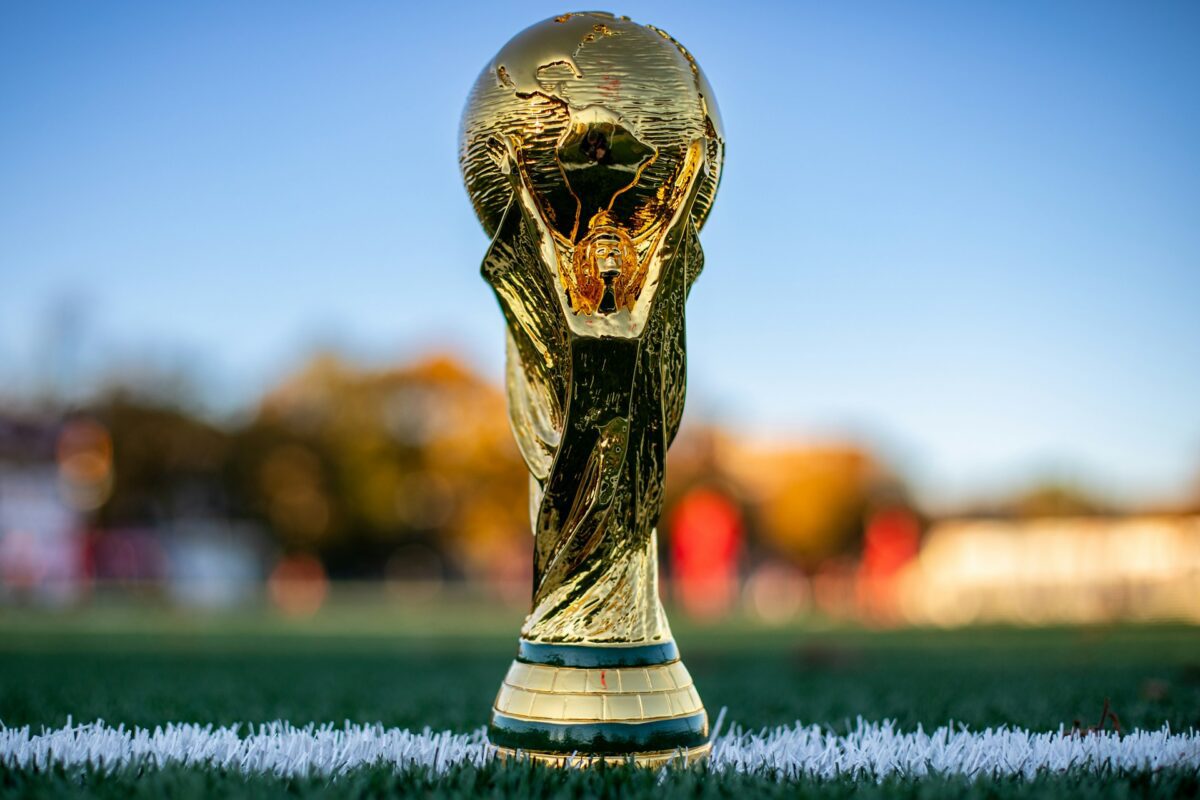
Tickets for the U.S. men’s national team’s opening match against Paraguay on June 12 in Los Angeles have become expensive enough to make even serious supporters pause. This should be one of the biggest home games in U.S. soccer history. Instead, it has become a very American sports business story: a global football event, premium pricing and fans wondering whether the party is still meant for them.
This is not really a demand crisis. It is more awkward than that. The game is big. The stadium is huge. The World Cup brand is almost impossible to weaken. But when many available seats cost more than $1,000, the question changes. It is no longer only about whether people want to go. It is about how many people can justify paying that much for one group-stage match.
That matters because the 2026 World Cup is more than a tournament. It is also a commercial test. FIFA is bringing its biggest competition to the richest sports market in the world, where live events have already been turned into premium entertainment. The NFL, NBA, college football and Formula 1 have all shown how far prices can rise when demand, corporate spending and resale markets meet.
Football has a different problem. It still sells itself as the people’s game. That image becomes harder to protect when ordinary fans feel priced out of the host nation’s opening match. A stadium full of sponsors, executives and high-income spectators can still look strong on television. It just may not feel like the same sport.
There is also a wider economic point here. Dynamic pricing works best when demand is strong and buyers accept the logic. It becomes much more visible when seats remain available and fans start to see the system less as pricing and more as extraction. At that point, the ticket is no longer just a ticket. It becomes the story.
For FIFA, the risk is not that the World Cup will fail. It will not. Broadcasters, sponsors and tourists will still come. The tournament will still dominate attention across North America and beyond. The risk is softer, but still important: the feeling that the host country’s own fans are being asked to watch their biggest soccer moment from home.
That may be good for television ratings. It is not great for stadium atmosphere.
The U.S. opener should have been an easy sell. A home World Cup. A national team on home soil. A country trying to prove that soccer has finally moved into the American sporting mainstream. Instead, the price tag is doing what ticket prices often do in modern sports. It is reminding everyone that access has a ceiling.