
Europe’s jet fuel pressure is no longer just an energy market issue. It is now testing airline schedules, operating costs and summer travel capacity at the same time.
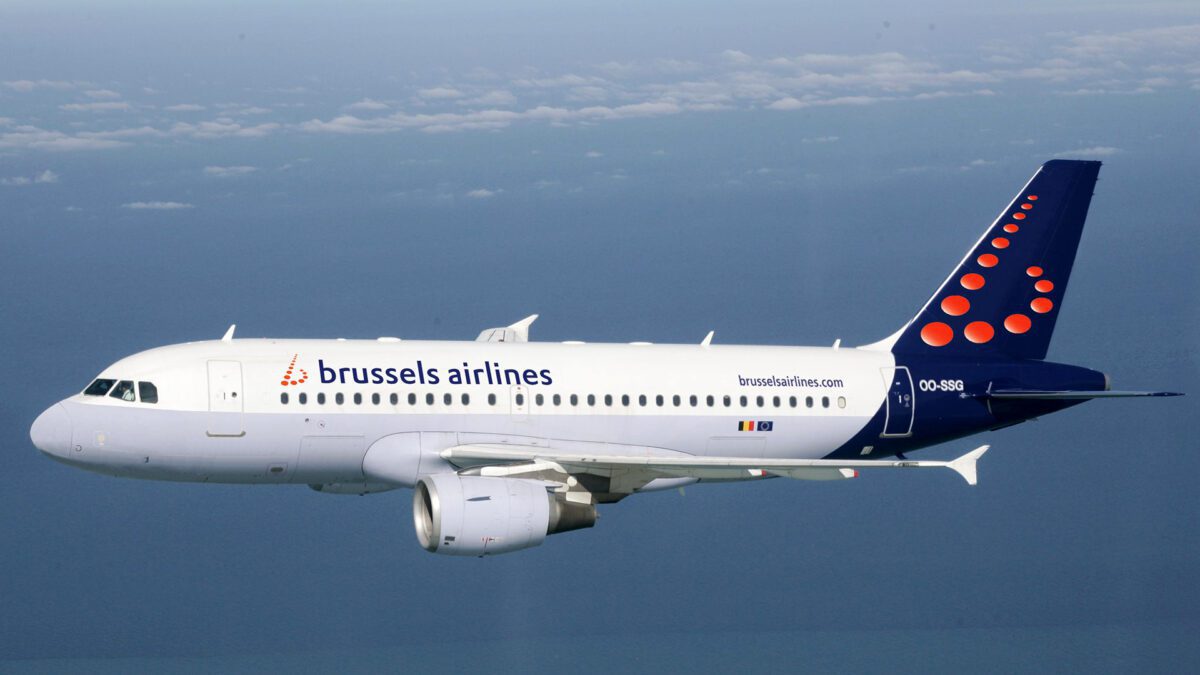
Brussels Airlines has said its jet fuel supply is secured for the next four to six weeks, according to Belgian media reports. Beyond that period, the airline cannot fully guarantee that it will continue operating at full capacity. For now, the company says its summer flight schedule remains unchanged.
The warning points to a wider problem across European aviation. The conflict in the Middle East has disrupted oil and refined fuel trade, while uncertainty around shipments through the Strait of Hormuz has made jet fuel supply more fragile.
Jet fuel becomes a strategic cost risk
Jet fuel is one of the largest operating costs for airlines. When prices rise sharply, carriers face two choices: raise ticket prices or cut capacity on less profitable routes.
Brussels Airlines shows how exposed the sector has become. The Lufthansa Group subsidiary operates flights to more than 90 destinations, has a fleet of 46 aircraft and employs around 3,700 people. That makes its fuel situation important not only for the company, but also for Belgium’s wider air transport network.
The airline has hedged part of its fuel needs, which helps limit short-term price shocks. But hedging does not solve a physical supply problem. If Middle East disruptions continue, the issue could move from cost management to flight planning.
Lufthansa and KLM are under the same pressure
Other major European airlines are also adjusting. Lufthansa has removed 20,000 short-haul flights from its schedule through October because of rising jet fuel costs. The move is expected to reduce fuel consumption, but it also shows that European short-haul capacity is becoming more selective.
KLM has also cancelled 160 intra-European flights. The airline says the decision is not caused by an immediate fuel shortage, but by rising kerosene costs that have made some routes less viable.
That distinction matters. Europe is not facing a universal situation where airlines are running out of fuel today. The more accurate picture is this: fuel is becoming more expensive, imports are less predictable, and low-margin routes are becoming harder to defend.
Europe’s weakness is import dependence
European refineries can normally cover most of the region’s jet fuel demand. But the remaining share depends heavily on imports, especially from the Middle East and Gulf countries.
When those flows weaken, European buyers must look for alternatives from markets such as the United States or Africa. That may ease short-term supply pressure, but it also brings higher logistics costs, longer delivery routes and stronger competition for available fuel.
The impact reaches beyond airlines. Higher jet fuel costs can feed into ticket prices, tourism demand, airport revenues and corporate earnings. It also adds another layer of inflation pressure at a time when European economies are already sensitive to energy costs.
Summer travel faces a price and capacity test
Brussels Airlines’ statement does not mean Europe’s summer travel season is in immediate danger. But it does show that airlines are operating with a thinner safety margin.
The key question is how long disruption around the Strait of Hormuz will last. If supply pressure eases, airlines may keep most schedules intact. If uncertainty continues, Europe could face more flight cancellations, higher fares and tighter capacity management.
The aviation sector rebuilt its post-pandemic recovery around demand. Now it faces a different test: energy supply. Brussels Airlines is not just a company story. It is a sign that fuel, transport and inflation risks are converging across the European economy.